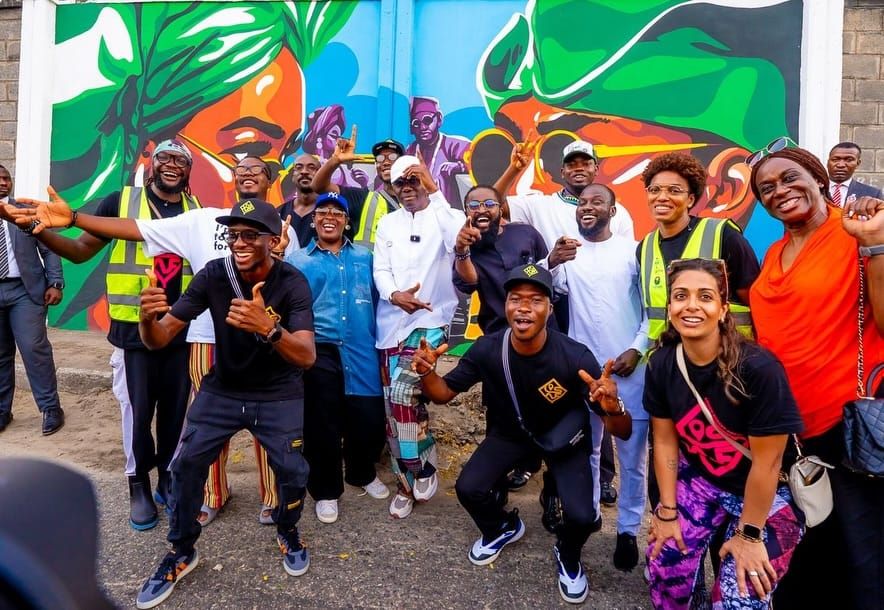
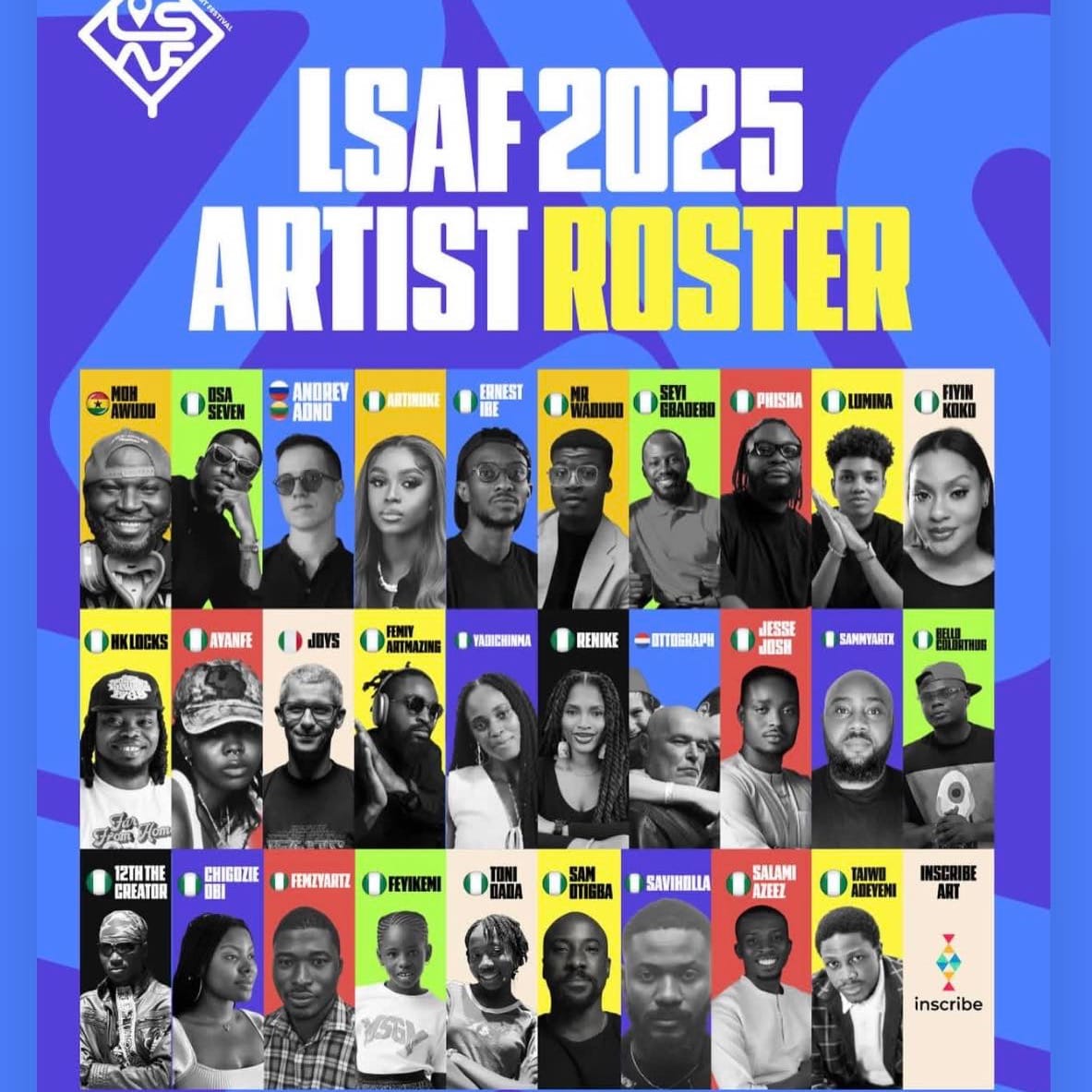
This year’s Lagos Street Art Festival (LSAF) transformed the city into an open-air gallery, with 12 artists creating massive 8×4 meter murals across Lagos. But behind the color and scale was something new: many of these murals didn’t begin on paper, or with chalk grids, or late-night projector setups. They began inside VR headsets, powered by Sketchar.
This wasn’t tech for show. It was tech doing real work, in public, on concrete walls under the Lagos sun.
Street art found a new workflow solution
Street art looks romantic from the outside. From the inside, it’s logistics.
Scaling a sketch to a wall that’s eight meters wide. Keeping proportions correct. Working in daylight. Adjusting on uneven surfaces. Losing time because a projector won’t show up clearly enough in the sun.
That’s the friction Sketchar is designed to remove.
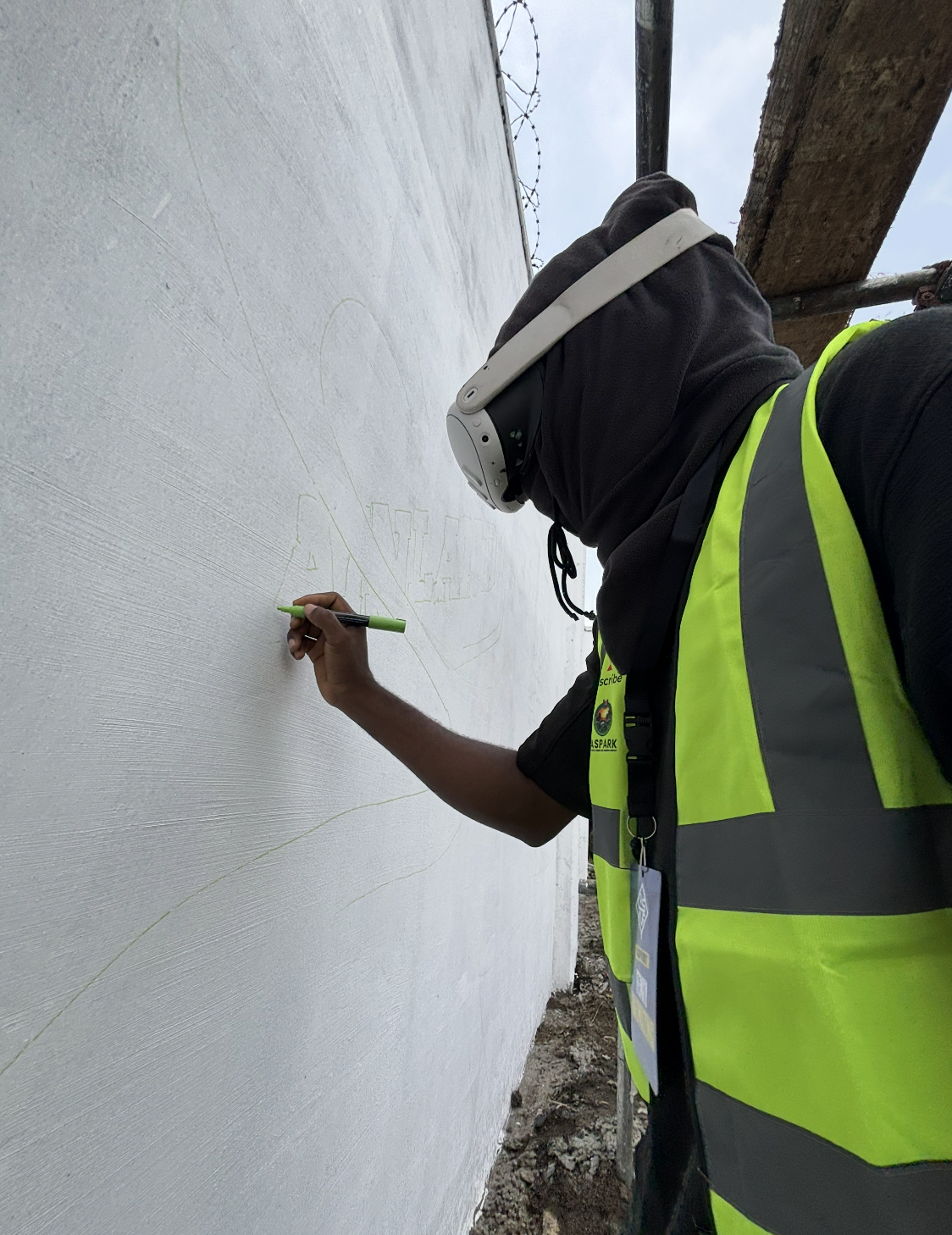
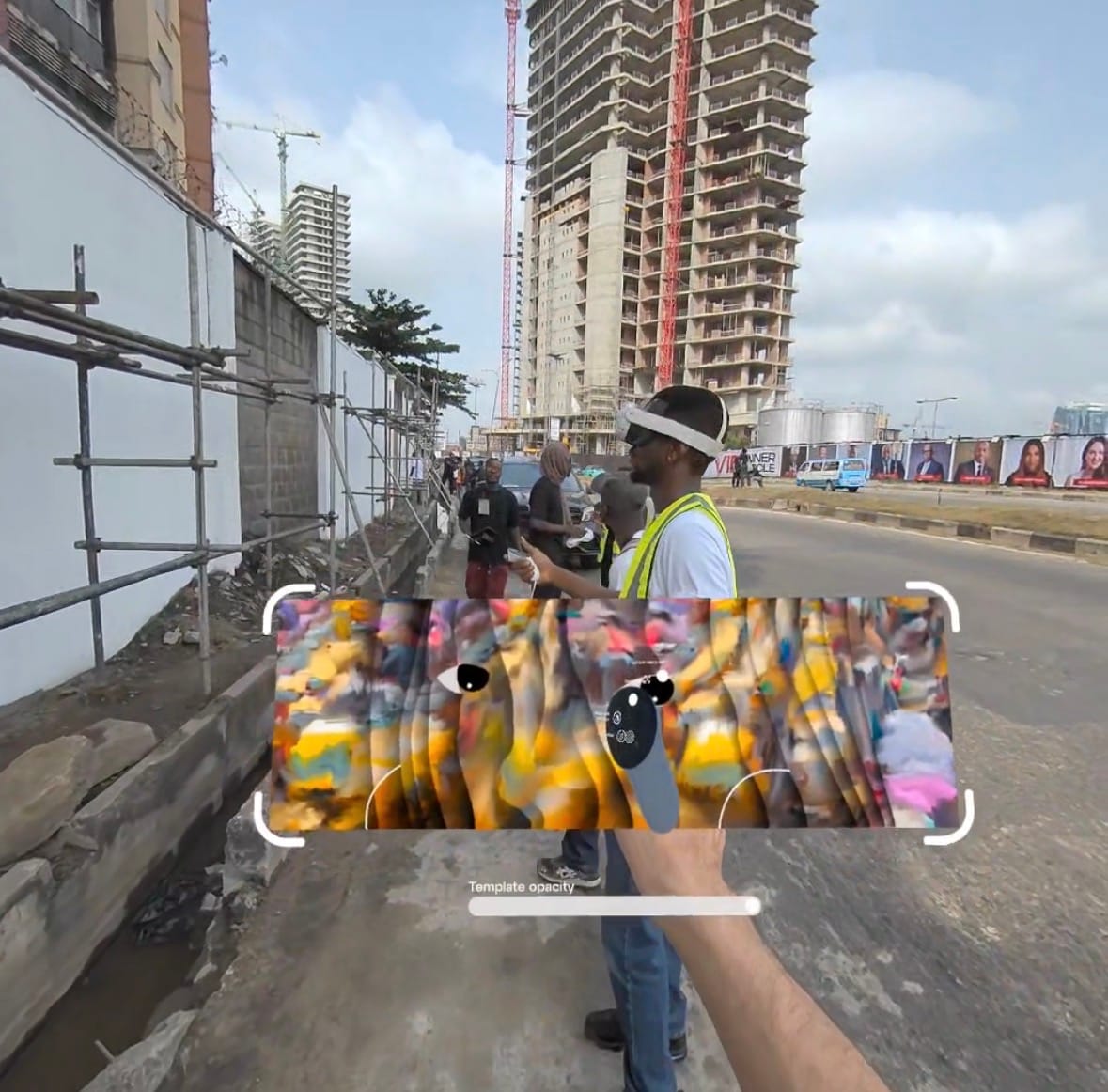
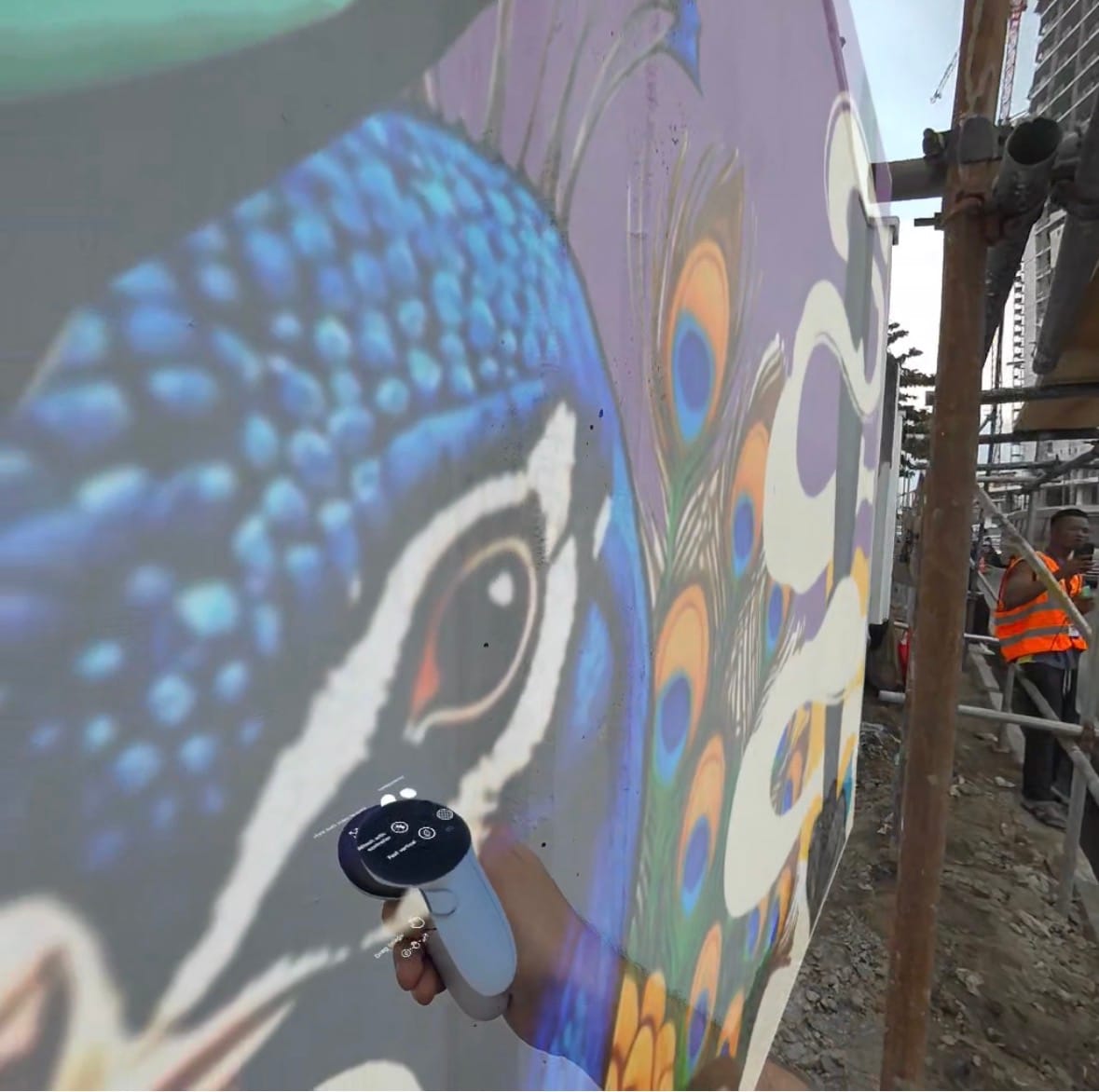
Street artists use the Sketchar app on vr headsets (Meta Quest)
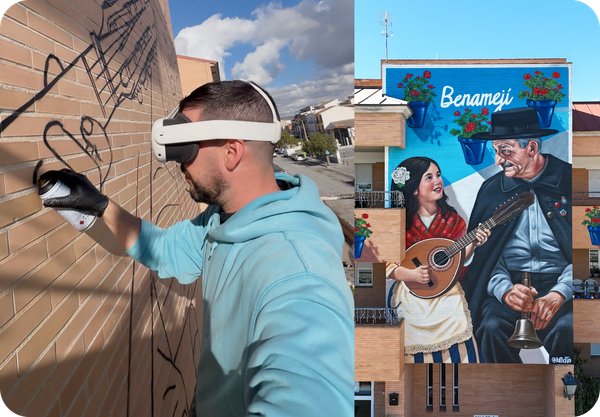
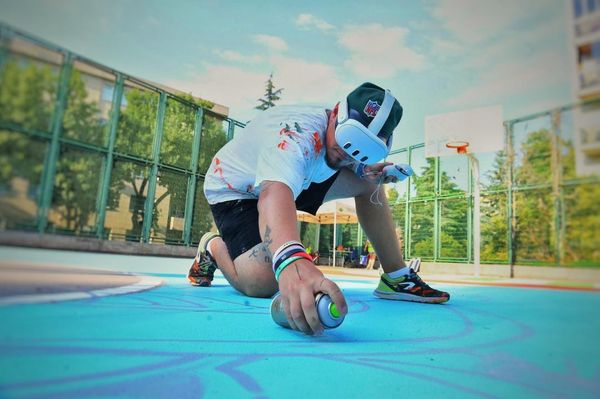
At LSAF, most participating artists used Sketchar on VR headsets to prepare and transfer their designs. No grids. No projectors. No guesswork. Just stepping back, seeing the sketch aligned on the wall in real space, and painting with confidence.
To support this, Sketchar sponsored the festival and purchased four VR headsets, making the technology directly available on site. This wasn’t a logo-on-a-banner sponsorship — it was infrastructure.
The result: faster setup, fewer corrections, and more time spent doing what matters — painting!
A face made of a city
Among the participating artists was Andrey “Adno” Drobitko, who joined the festival not only as a Sketchar representative, but as an artist in his own right.
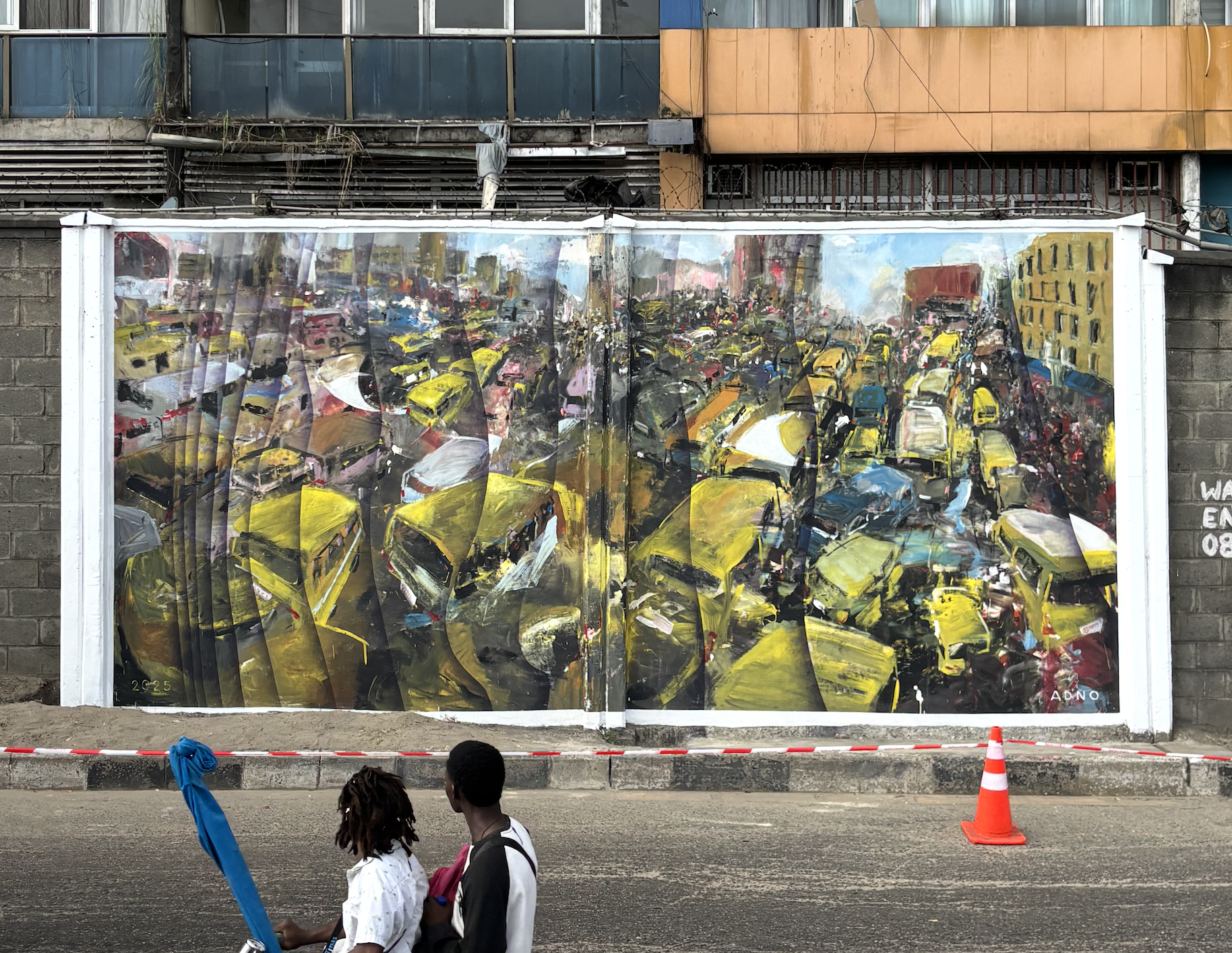
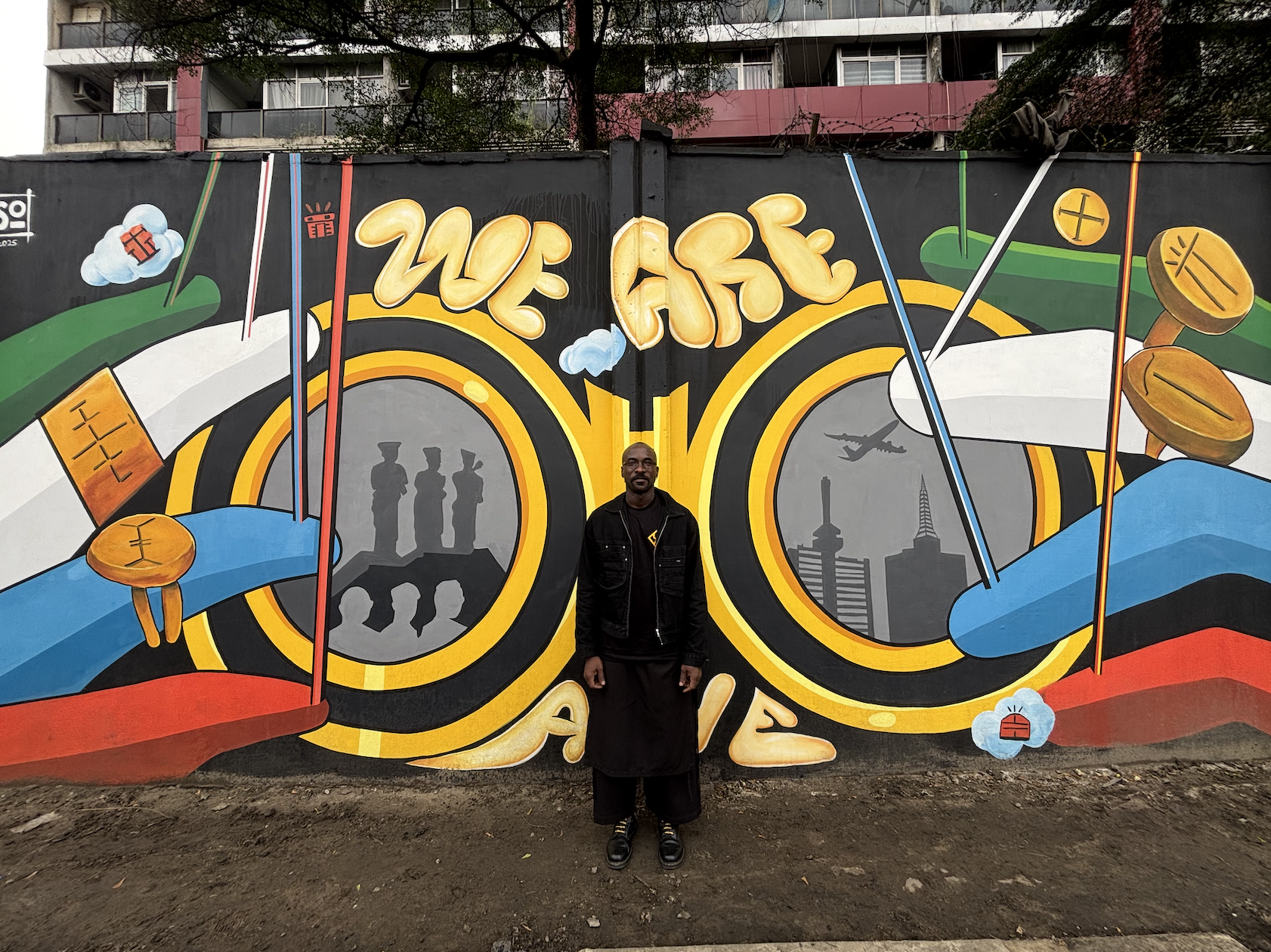
His mural, “Face of Lagos” captures the city in layers — both visually and conceptually.
The background reads like Lagos from above: an abstract, vibrant street grid filled with movement, energy, and flashes of the city’s iconic yellow cabs. It feels crowded, alive, slightly overwhelming — exactly like the city itself.
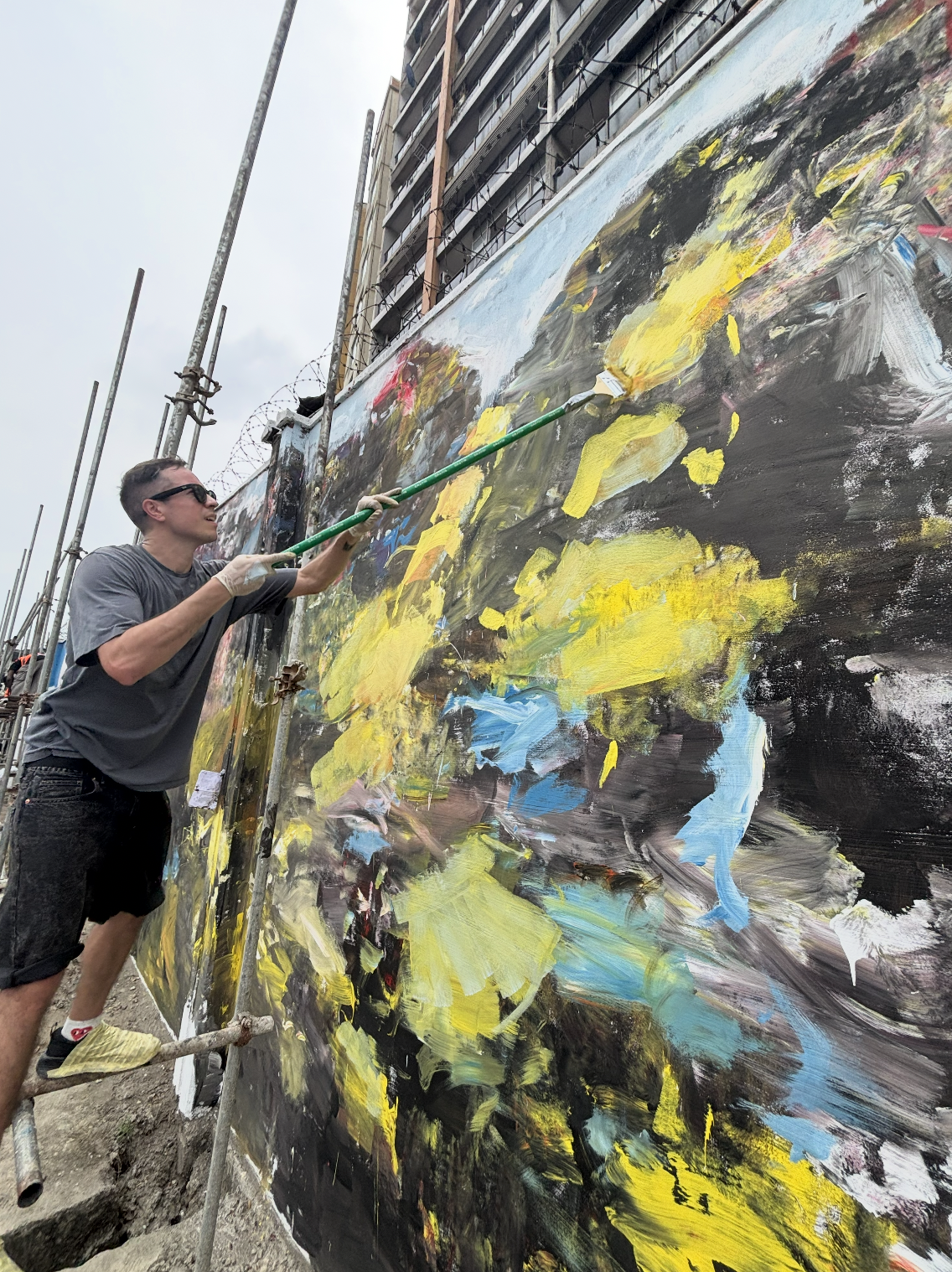
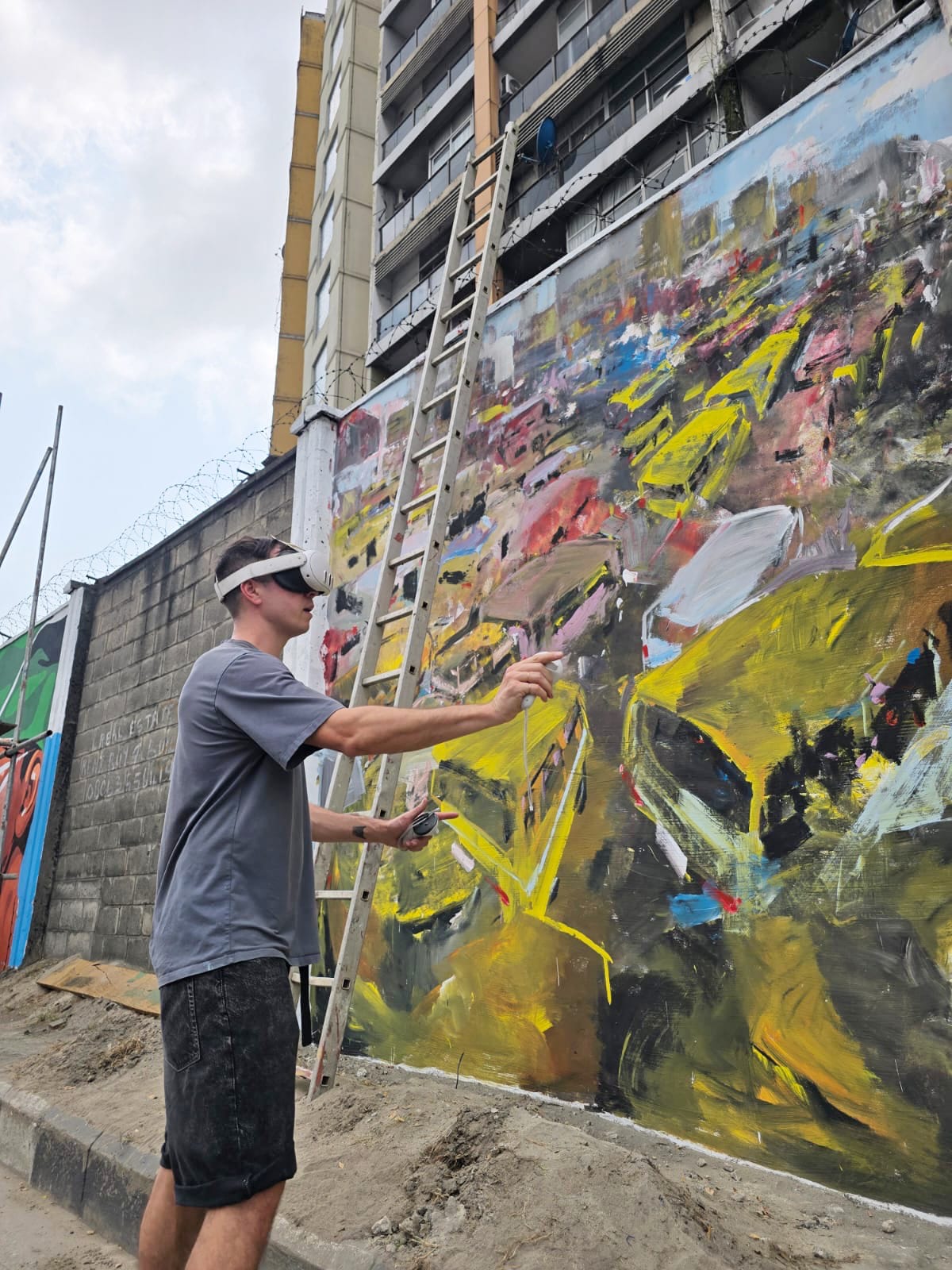
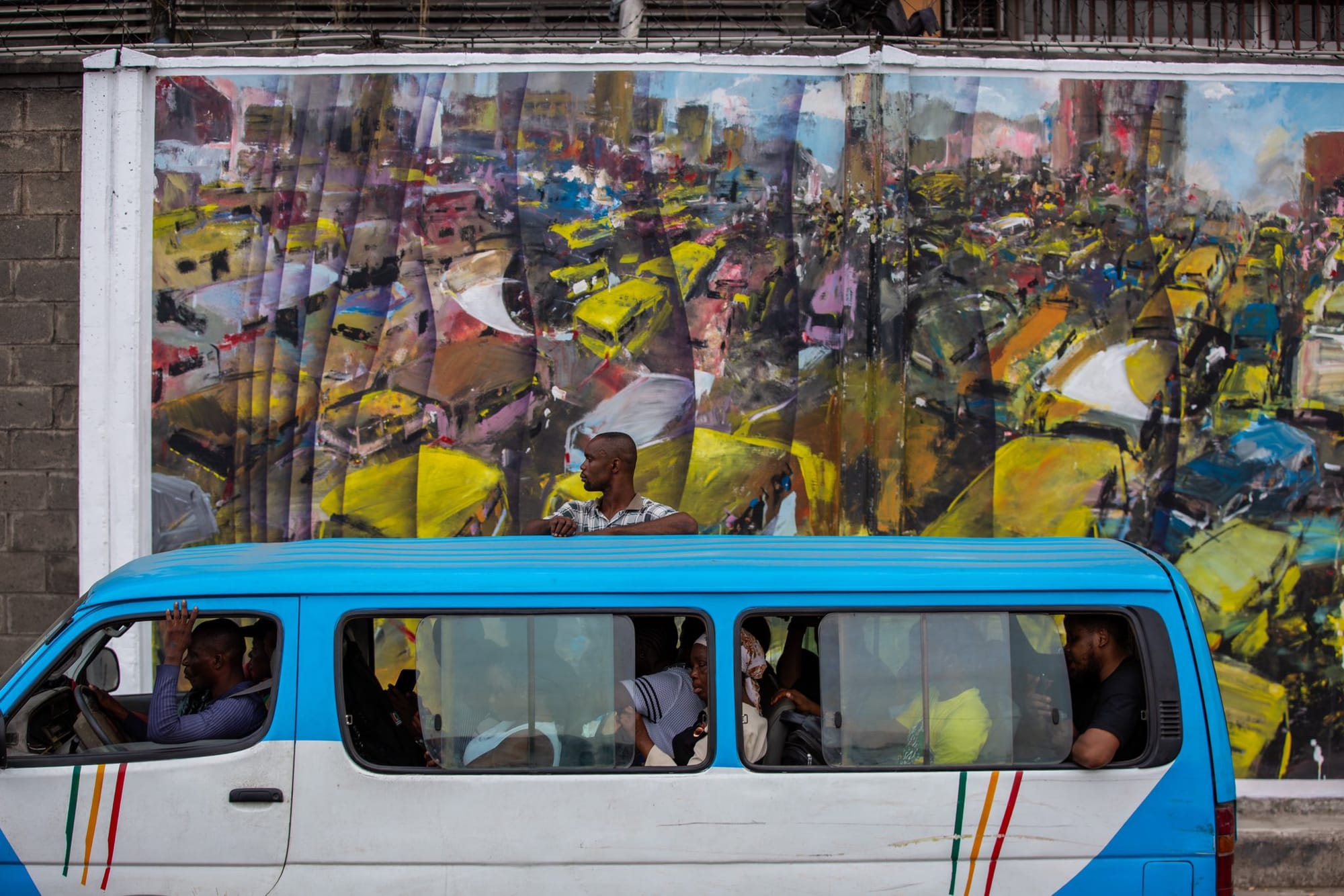
Andrey (Adno) Drobitko painted a mural in Lagos using the Sketchar on VR headset
Floating above that is a face, constructed through layered forms — a signature Adno approach. The face isn’t a portrait of one person, but a composite identity: Lagos as human, Lagos as memory, Lagos as presence.
It’s a mural that works from far away and up close. Step back, and you see the city. Step closer, and the city looks back at you.
The entire piece was planned and mapped using Sketchar on a VR headset, allowing the artist to work at full scale before the first drop of paint hit the wall.
Not just walls — a living festival
LSAF wasn’t limited to murals. Around the painting sites, the festival unfolded as a living cultural space.
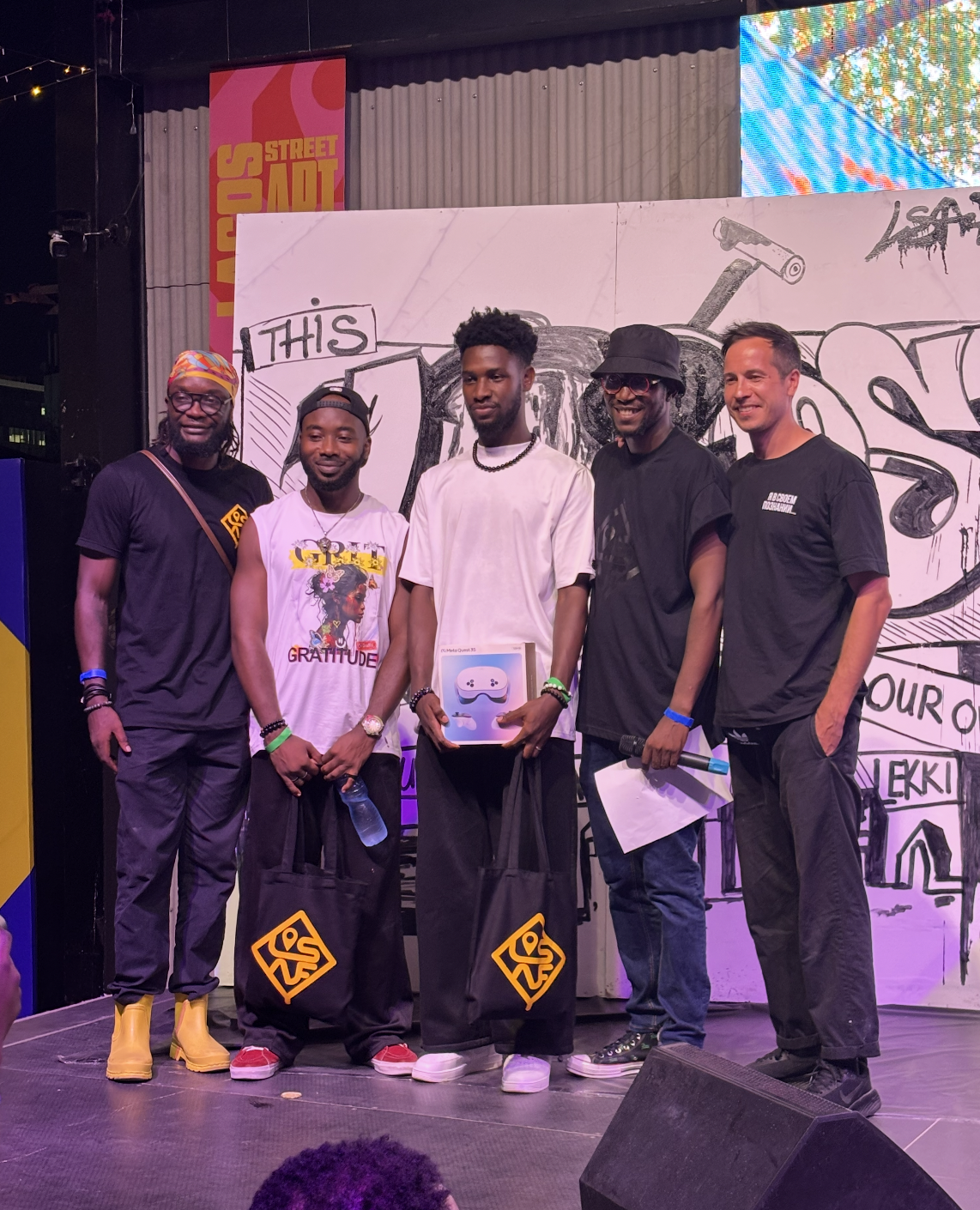
There were pop-up events with live drawing, where artists worked in front of audiences, turning process into performance. One of these events culminated in a competition, with the winner receiving a Meta Quest 3S, provided by Sketchar as the main prize — a signal that creative technology isn’t just something to watch, but something to use.
At the same time, the festival became a moment of reflection.
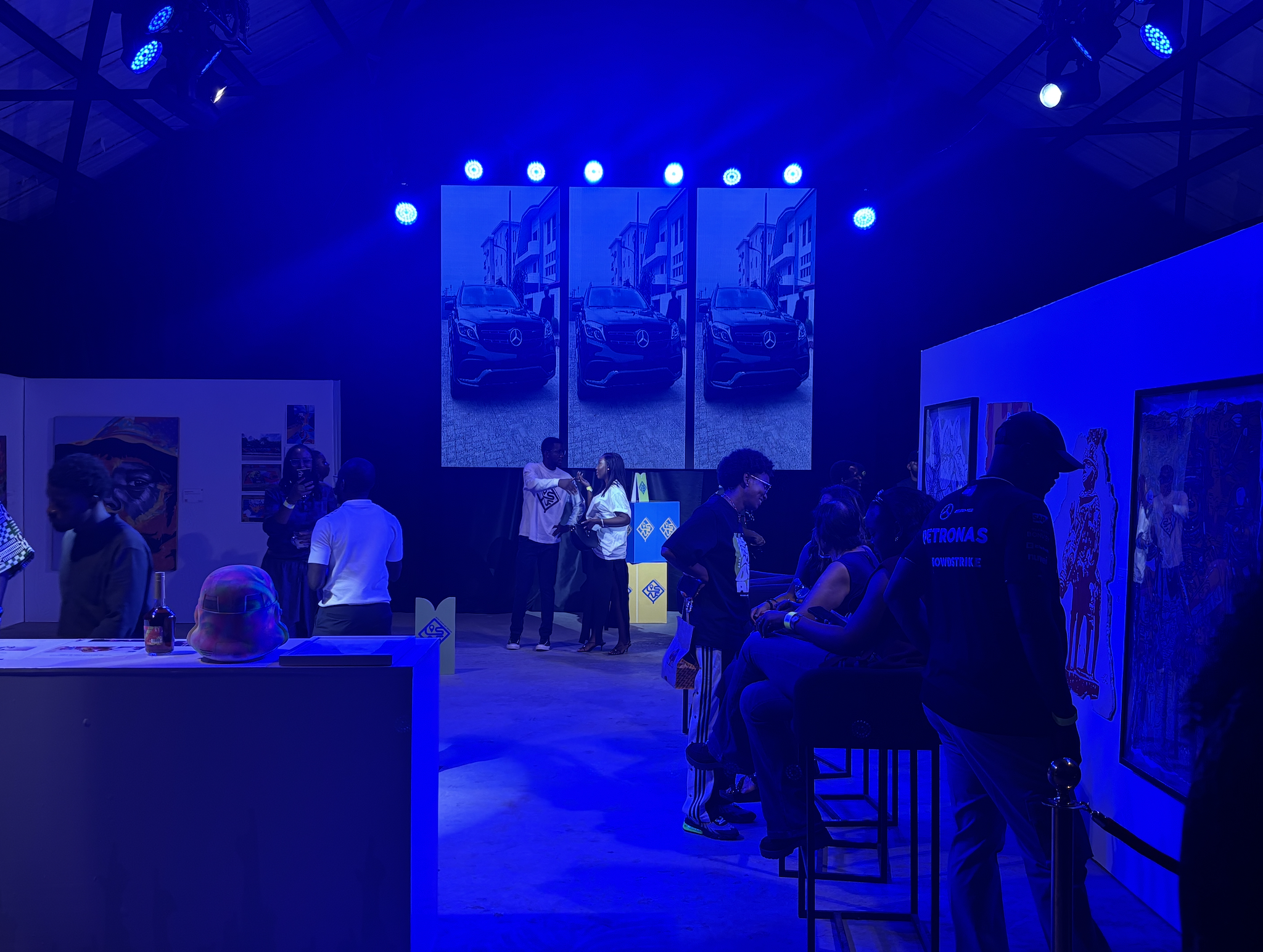
Osa Seven, one of the founders of LSAF, marked 10 years of his creative journey with the opening of a personal exhibition. This milestone anchored the festival in history, reminding everyone that street art in Lagos didn’t appear overnight — it’s the result of years of persistence, experimentation, and community-building.
A fireside chat brought together the festival team and participating artists, including Andrey Drobitko. The conversation went deep: unpacking how LSAF came to be, how artists think about public space, and how tools like Sketchar are reshaping creative workflows. Moderated by Seju Alero Mike, the discussion bridged art, technology, and impact — without hype, and without buzzwords.
“Lagos shows how creative technology can strengthen culture, not dilute it. Tools like Sketchar help Nigerian street artists work at the scale their stories deserve.” — Andrey Drobitko
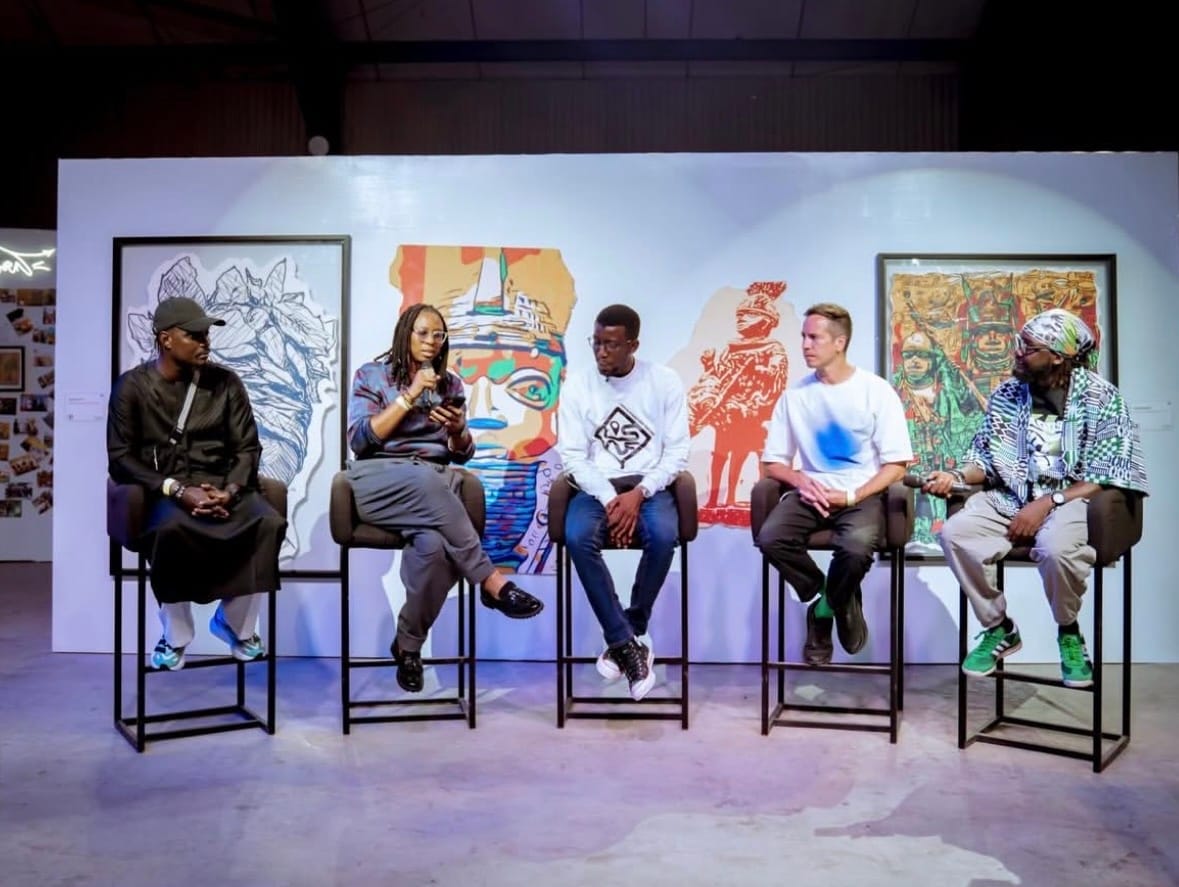
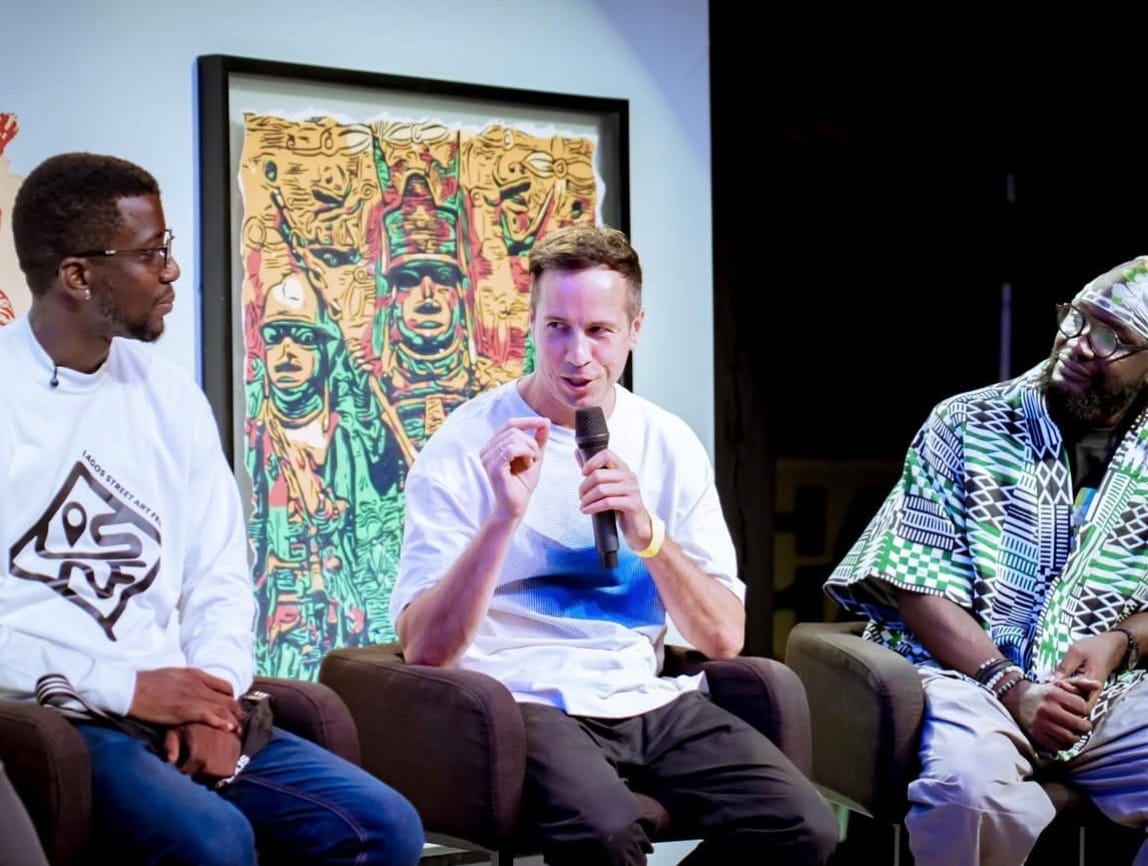
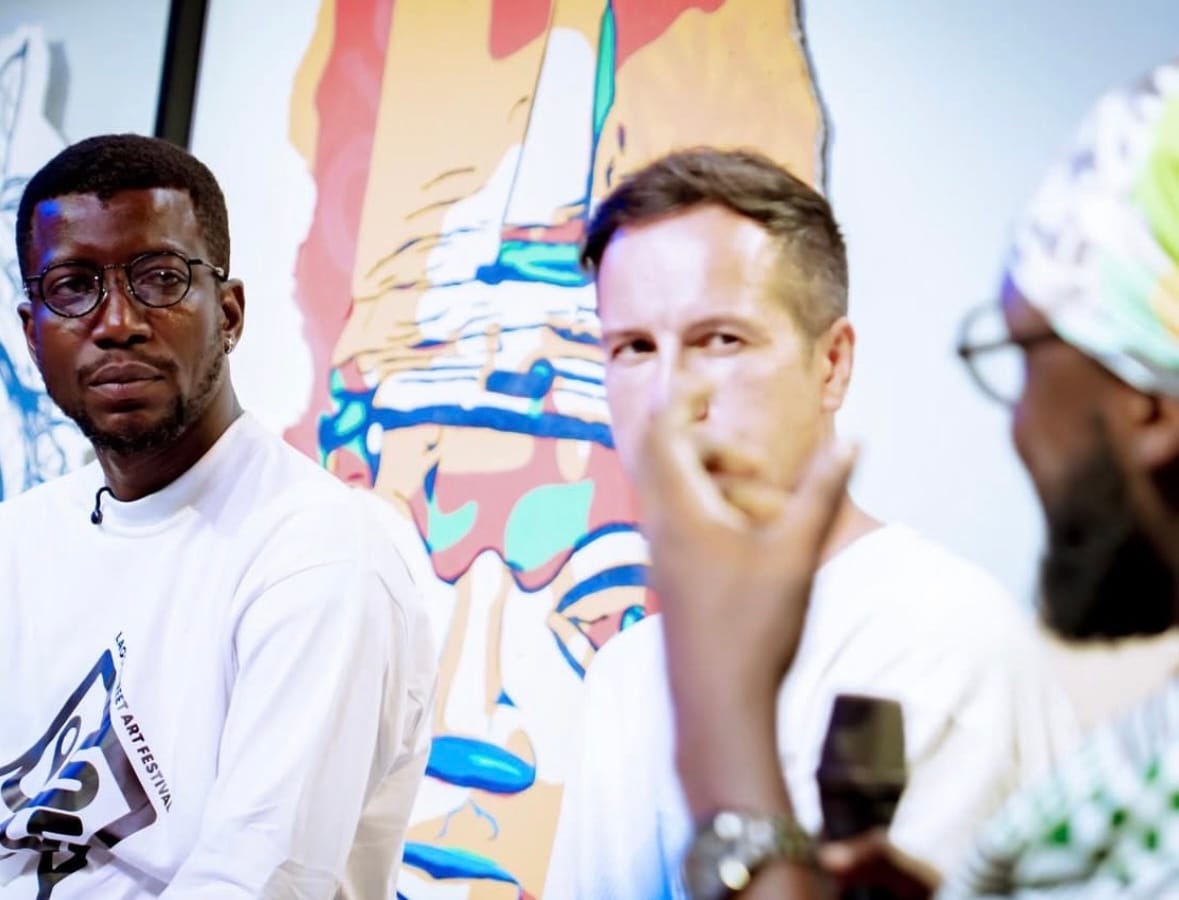
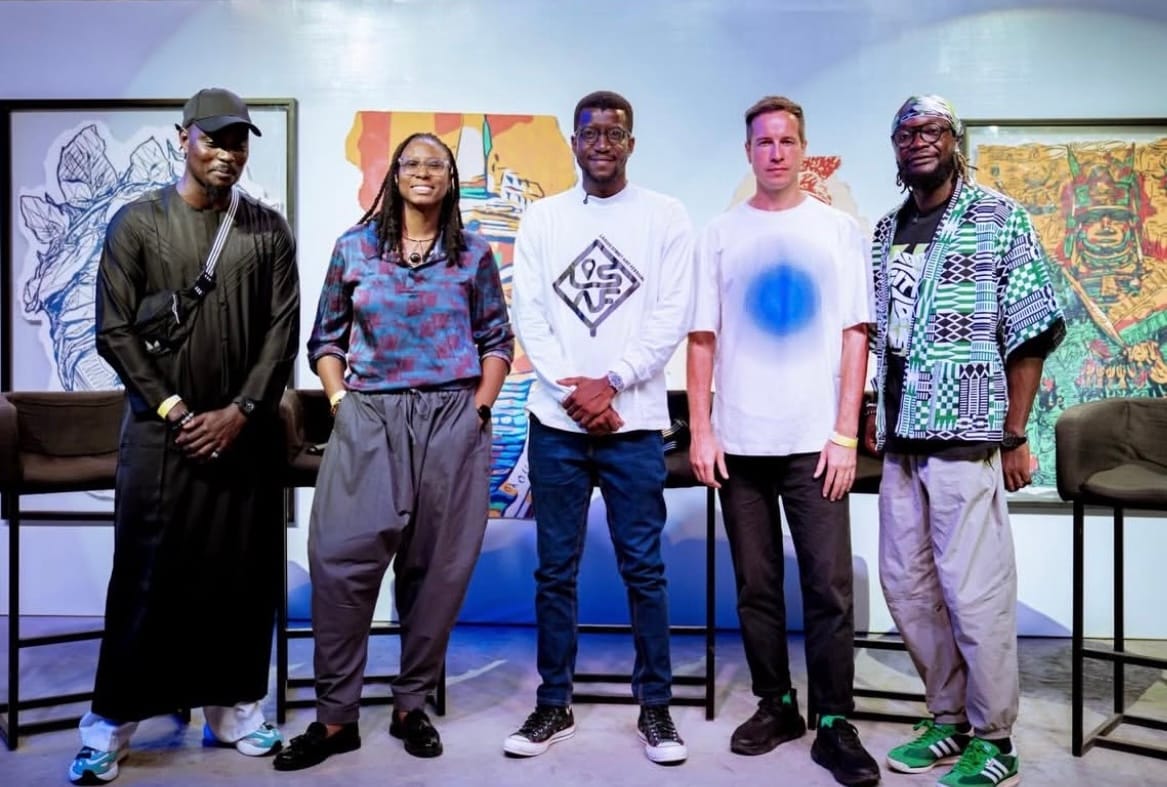
Photo by: LSAF
When leadership shows up, the walls matter more
Toward the end of the festival, the walls drew visitors that street art doesn’t always get to host.
His Royal Majesty, Oba Abdulwasiu Lawal, CON (Abisogun II), the Oniru of Iru Kingdom, visited the murals and expressed pride and excitement about the project — highlighting how art can create meaningful, transformative experiences for Lagos.

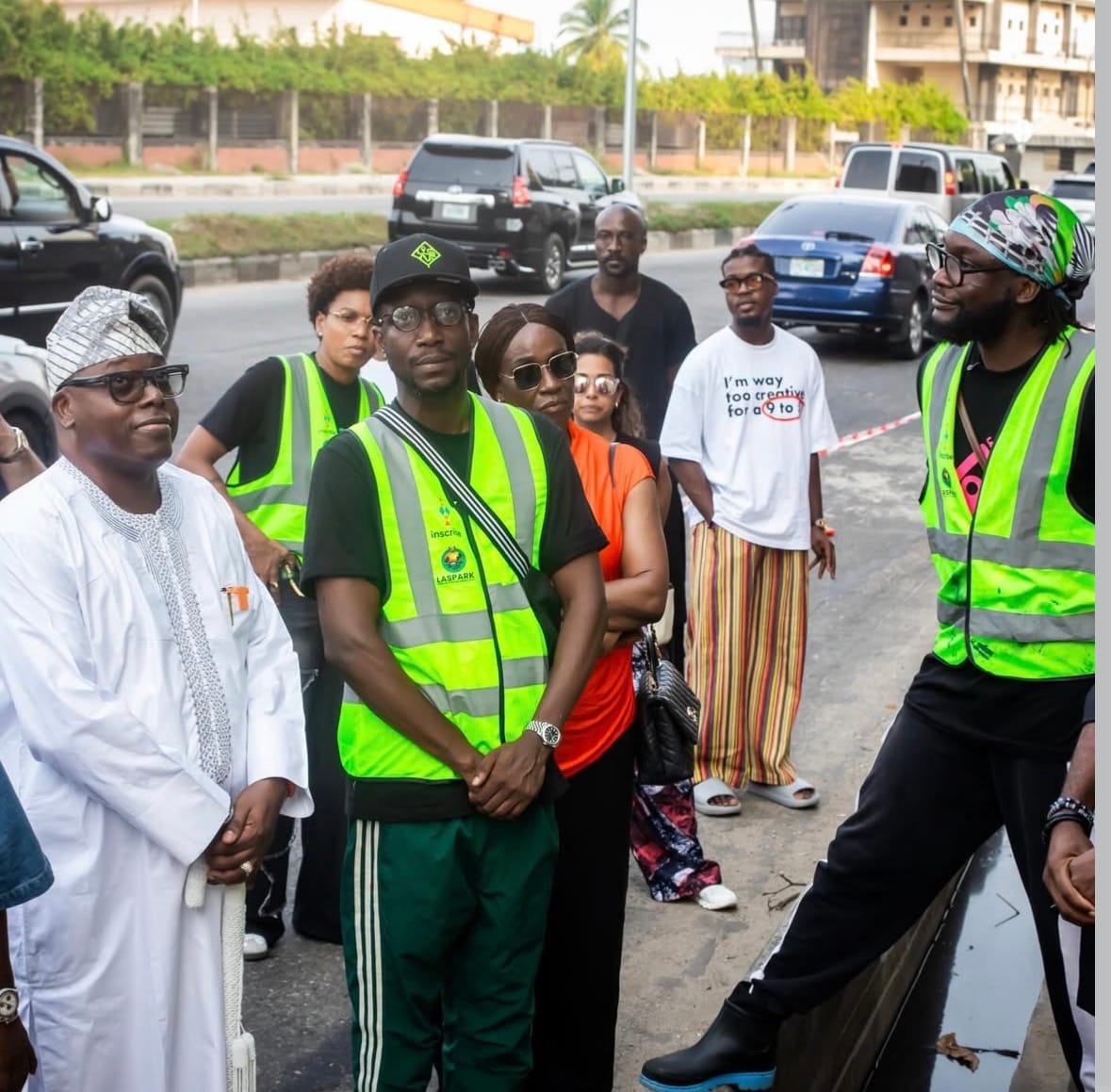
Photo by: LSAF
Soon after, Mr. Babajide Sanwo-Olu, Executive Governor of Lagos State, toured the site as well. His walkthrough positioned the festival at the intersection of urban beautification, community-driven art, and cultural tourism — a vision of a “Greater Lagos” where creativity isn’t hidden indoors, but embedded in public life.
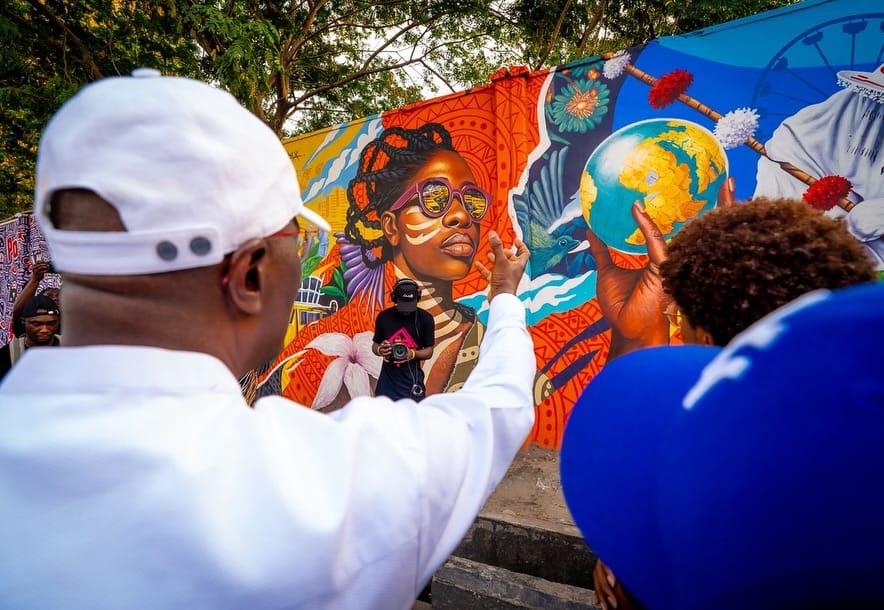
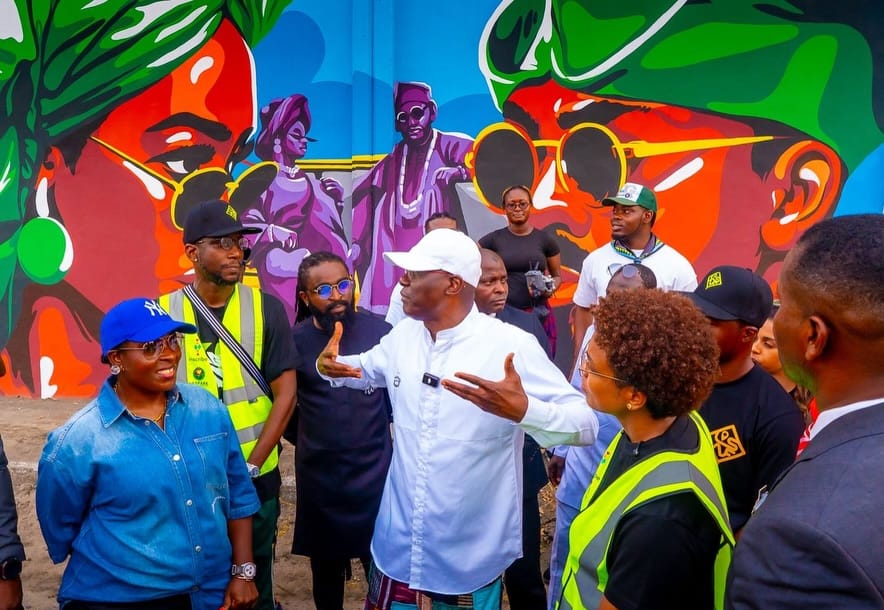
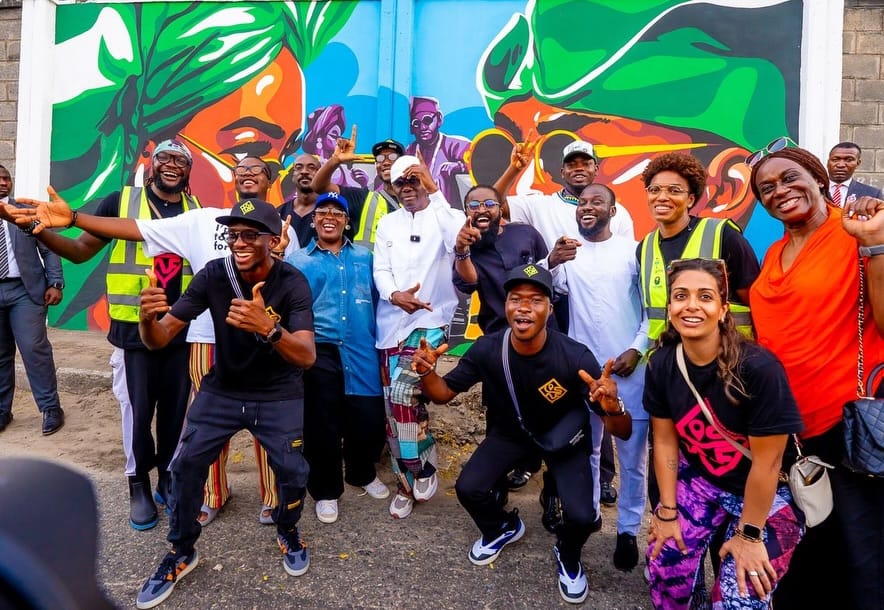
Mr. Babajide Sanwo-Olu, Executive Governor of Lagos State
At that point, the message was clear: this wasn’t just paint on walls. This was culture, technology, and city-building converging.
Why this matters beyond Lagos
LSAF offers a glimpse of what happens when creative tools meet real environments instead of controlled studios.
VR, in this context, isn’t about escape. It’s about precision. It’s about making large-scale public art more accessible, more efficient, and easier to repeat. When artists can work faster and with fewer barriers, more walls get painted. More neighborhoods get color. More people encounter art without needing a ticket.
For Sketchar, Lagos wasn’t a demo — it was a proving ground. A place where creative technology had to earn its keep under real conditions.
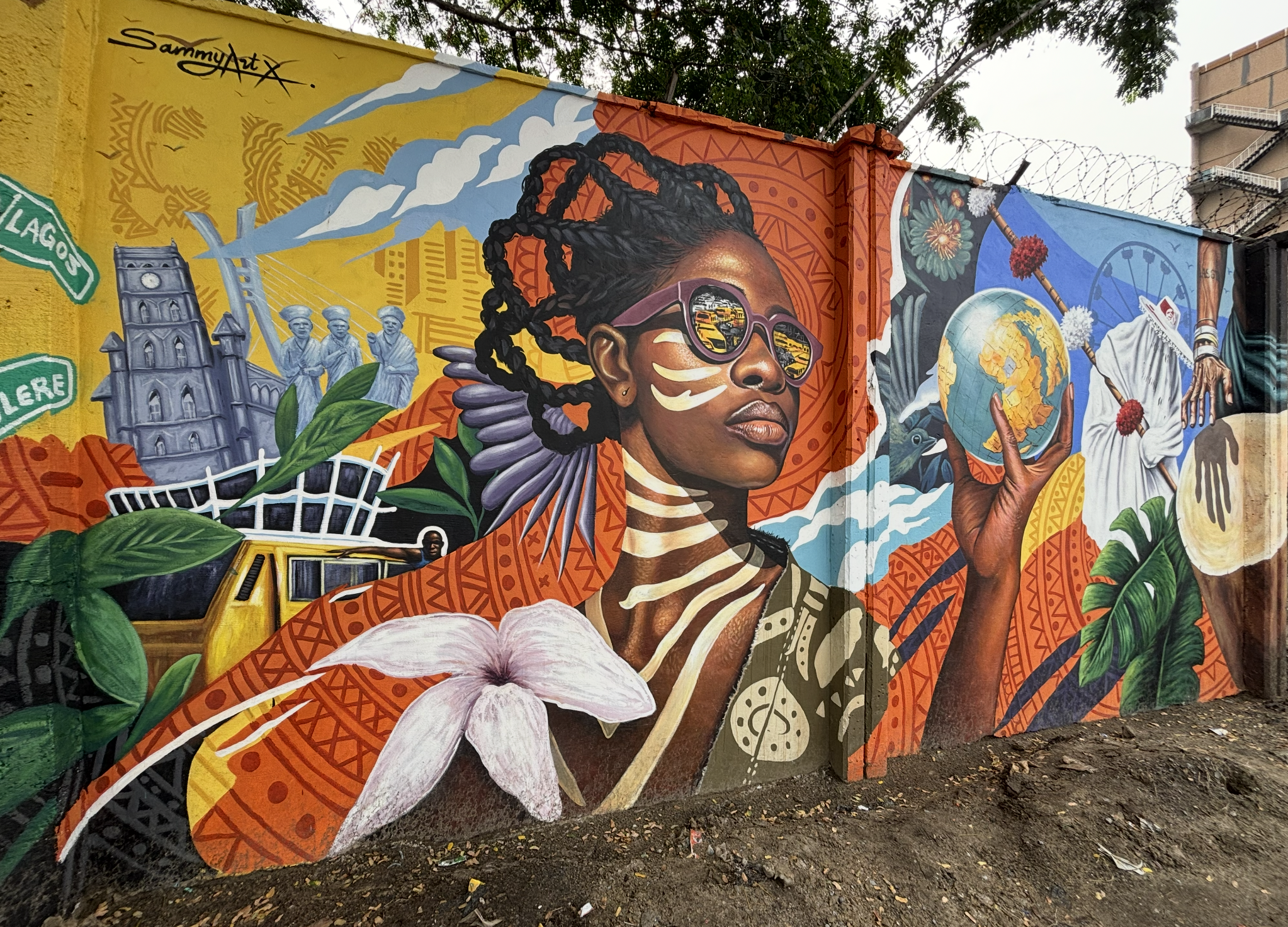
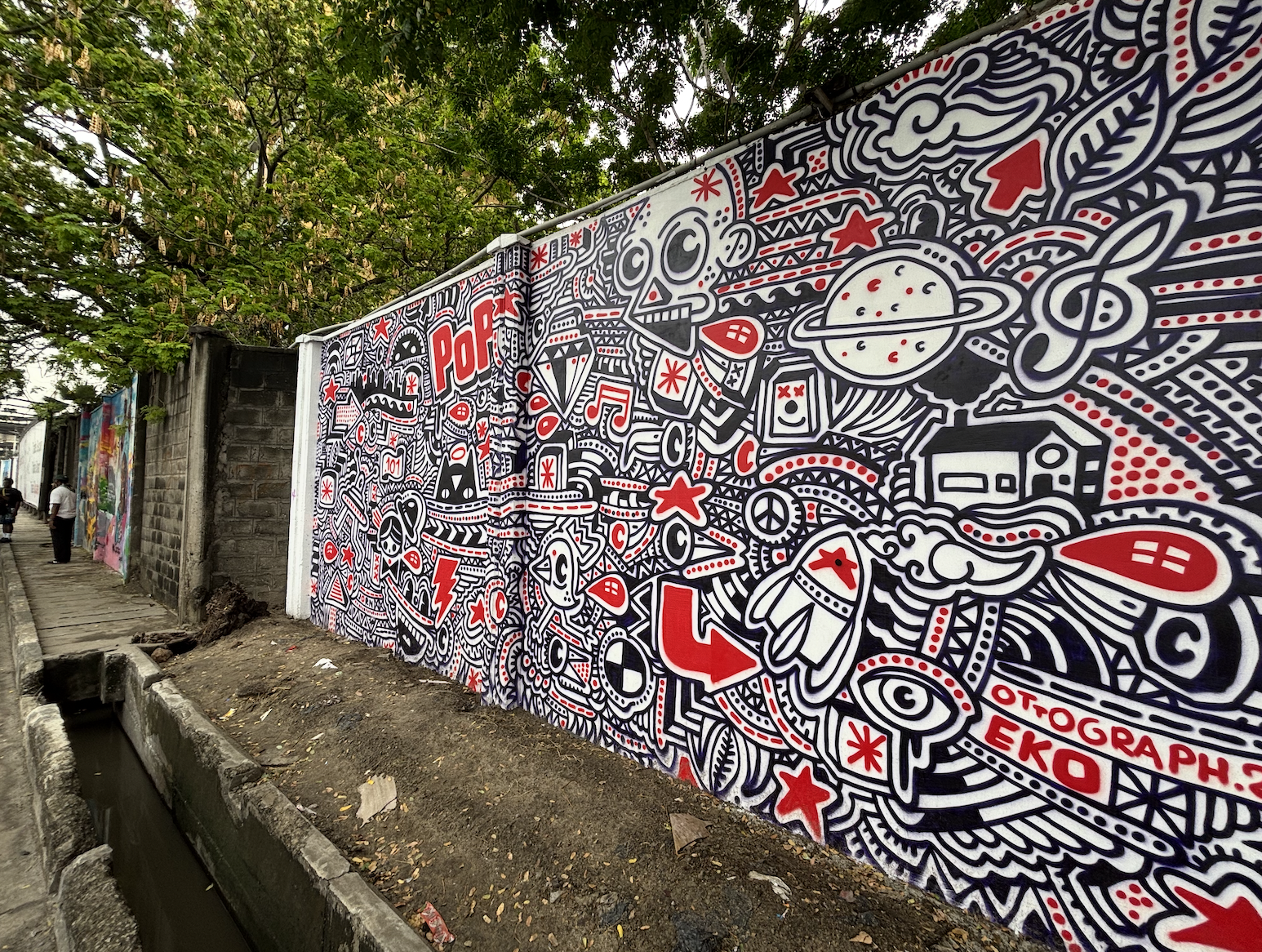
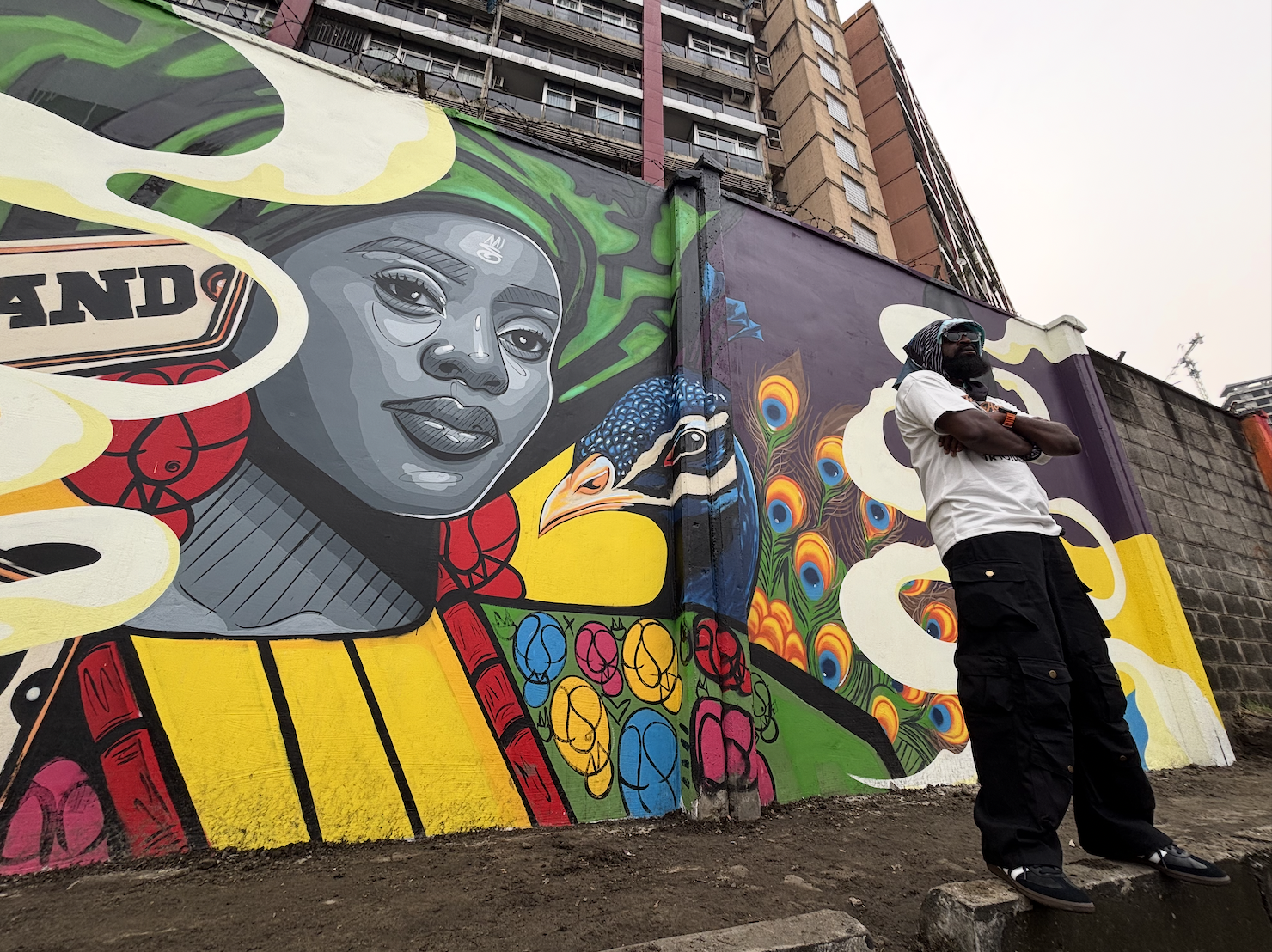
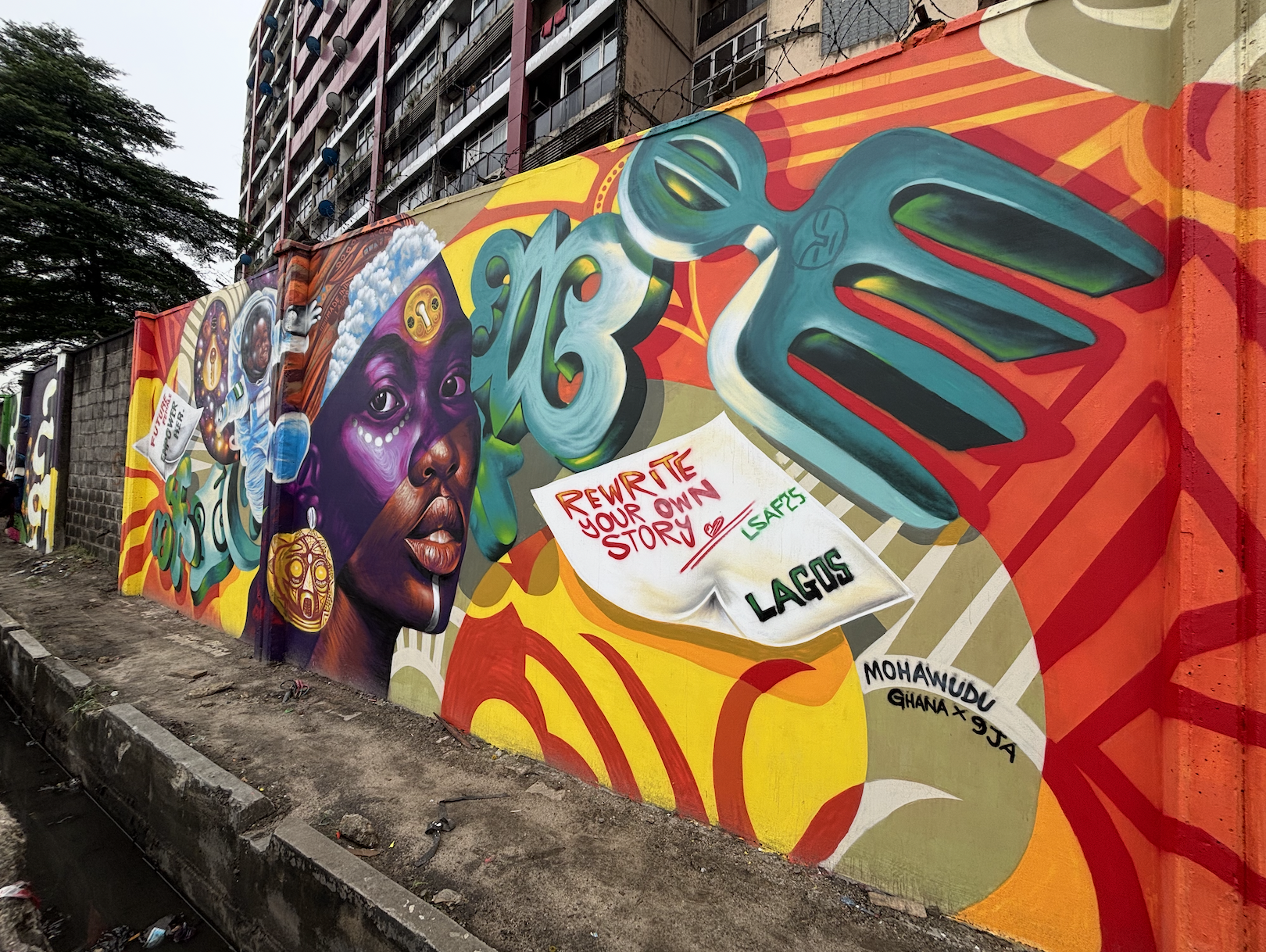
And for Lagos, the festival showed something powerful: the future of cities isn’t just smart infrastructure and digital services. It’s also creative infrastructure — tools, platforms, and partnerships that let artists shape the visual identity of the places we live in.
For a few weeks, Lagos didn’t just host a street art festival.
It became one.
▋
Planning a street art festival?
We’d love to collaborate! Reach out to us at hello(at)sketchar.io to explore partnership opportunities with Sketchar.