AR/VR is now a modern creative medium—one that expands what students can learn, how fast they can grow, and how well they can collaborate.
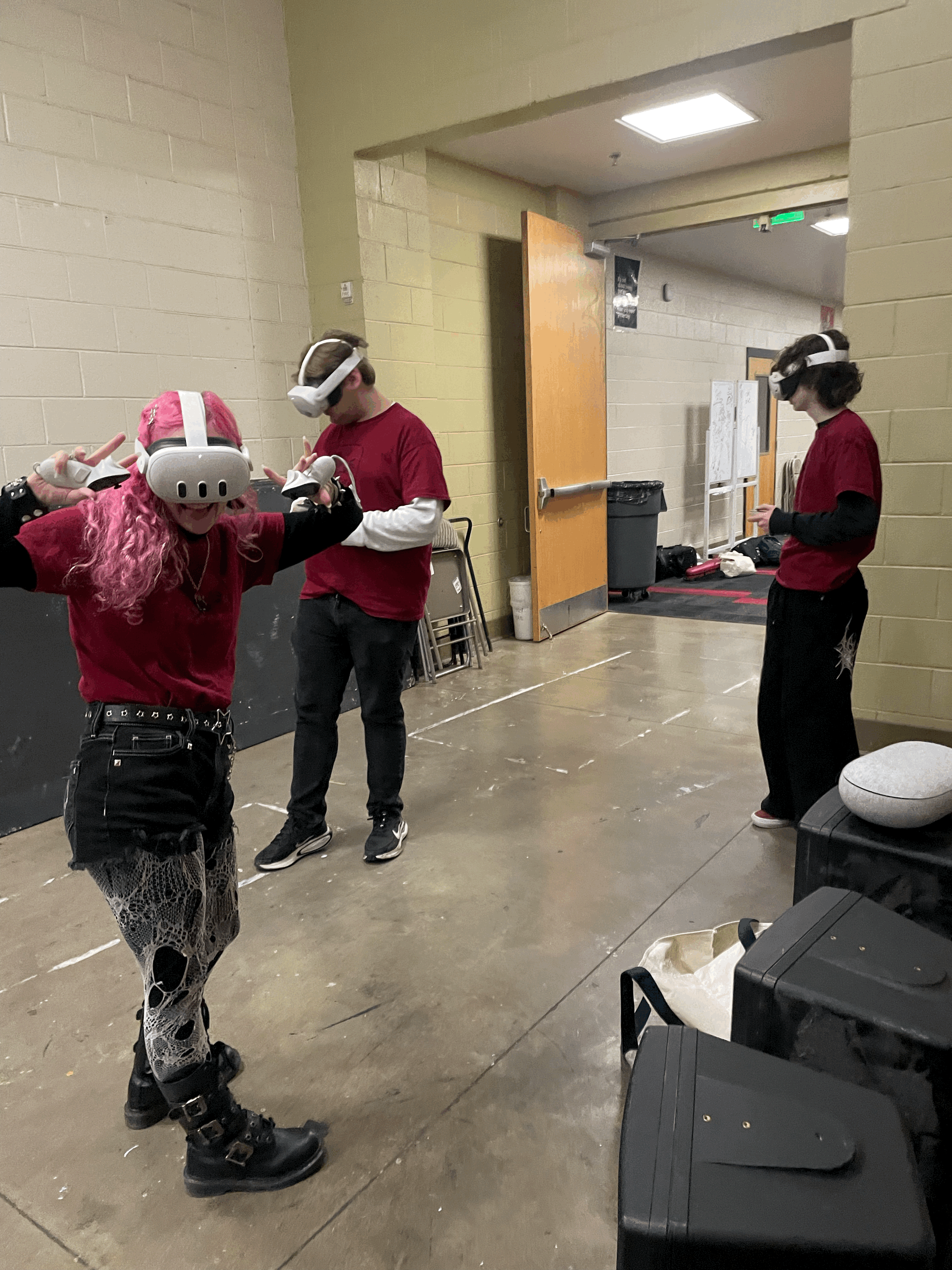
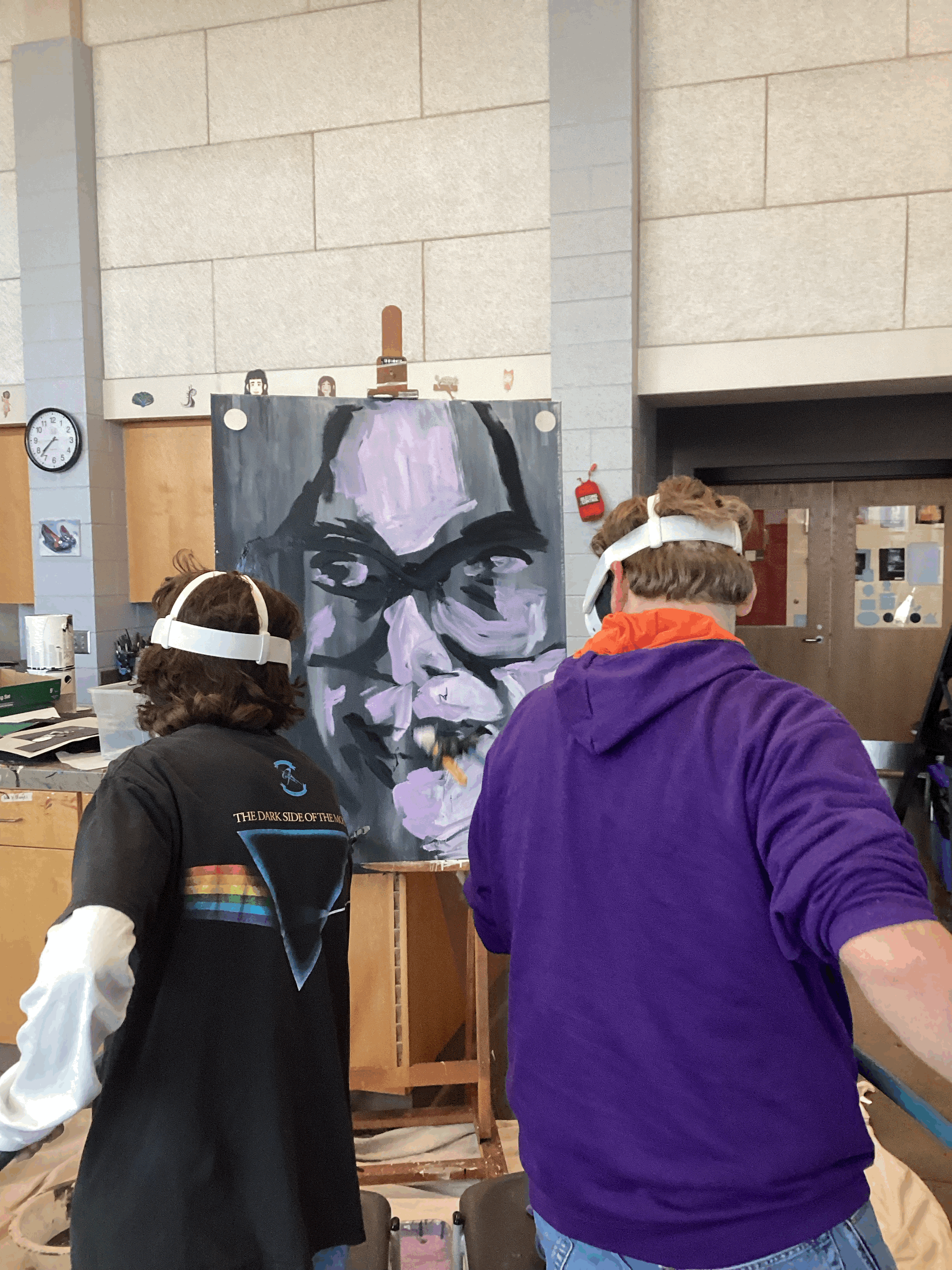
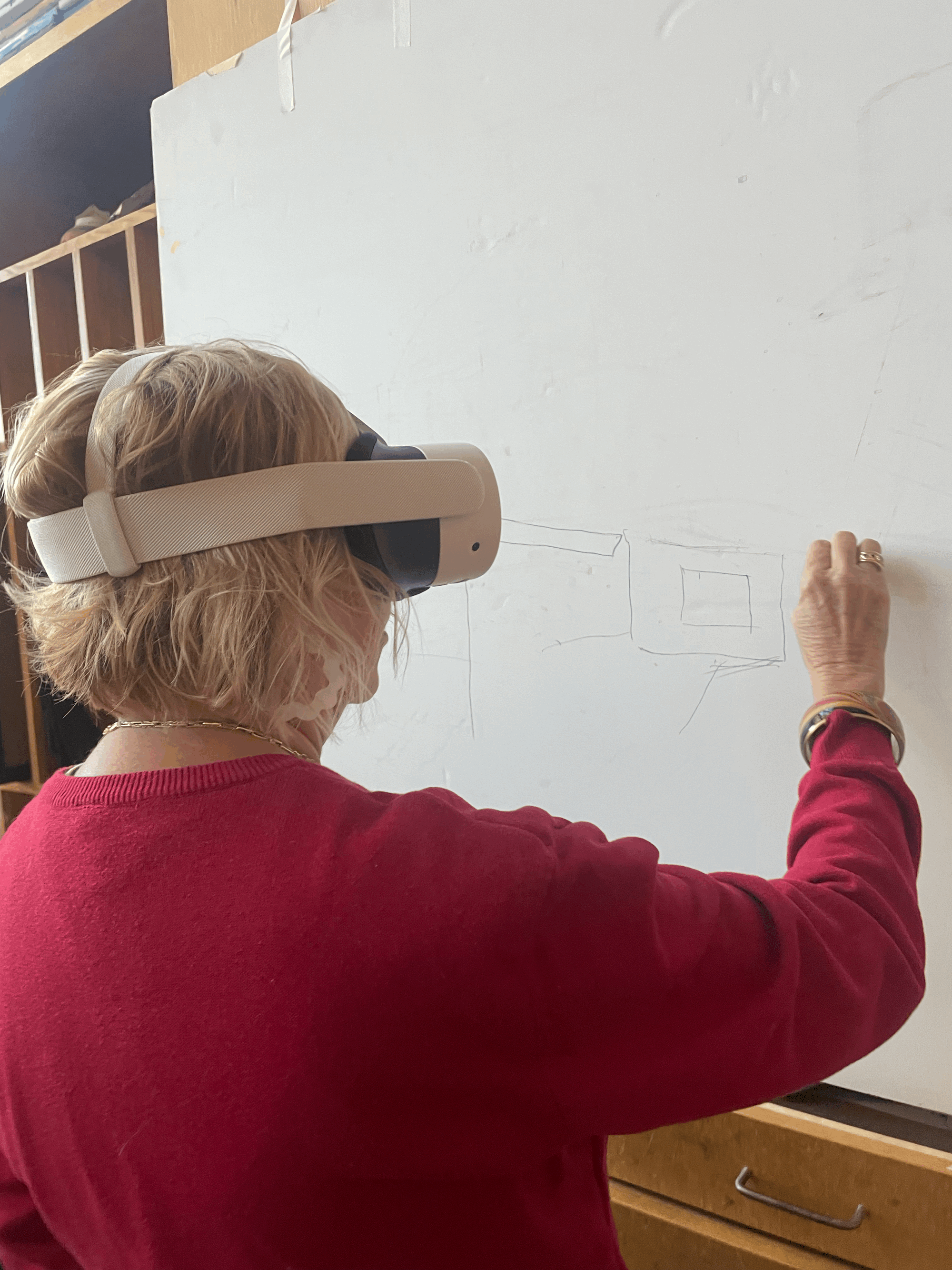
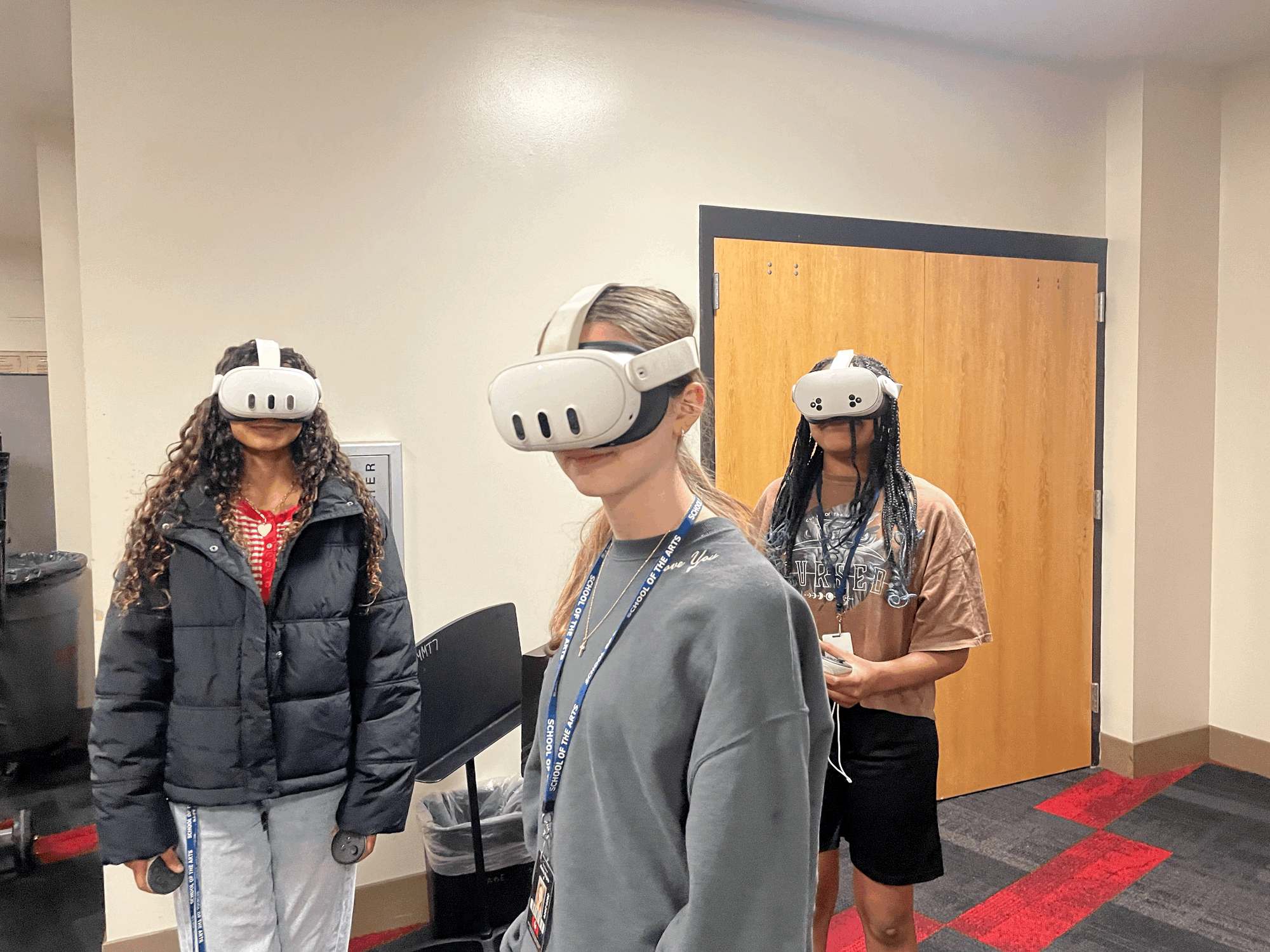
When Charleston County School of the Arts introduced Sketchar on VR headsets in their creative classes, the outcome wasn’t “students relying on tech.” The outcome was students building real artistic skills—plus the kind of tech literacy and teamwork that creative careers increasingly require.
A top-tier art program saw VR—and moved fast
Charleston County School of the Arts isn’t experimenting because they need help “making kids interested.” Their students are already strong. It’s an audition-based arts school, with advanced coursework and award-winning outcomes.
So when educators in a high-performing environment choose to bring VR into the classroom, it’s not about novelty. It’s because the tool unlocks something traditional formats struggle to deliver at the same scale: spatial understanding, rapid iteration, and collective creation.
The moment that changed the plan
Here’s how one teacher described it:
“The moment we saw Sketchar, I thought, ‘We have to bring this into our art classes.’ After the teachers tested it, we were hooked—and it opened up a whole new vision for collaborative art.” – Dayton Colie, Visual Arts Teacher at CCSOA
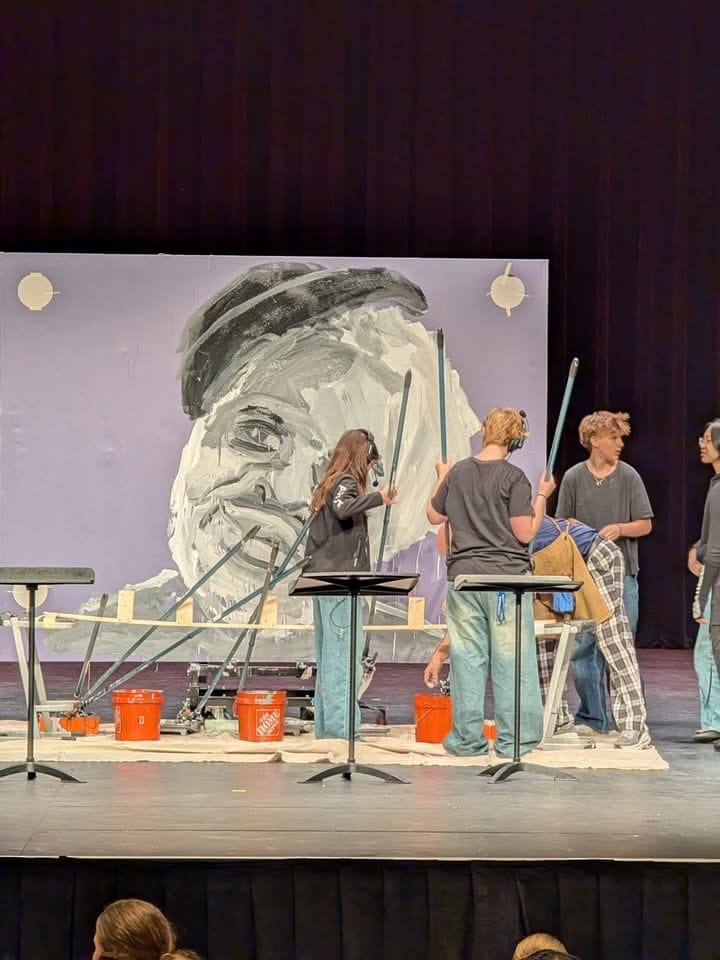
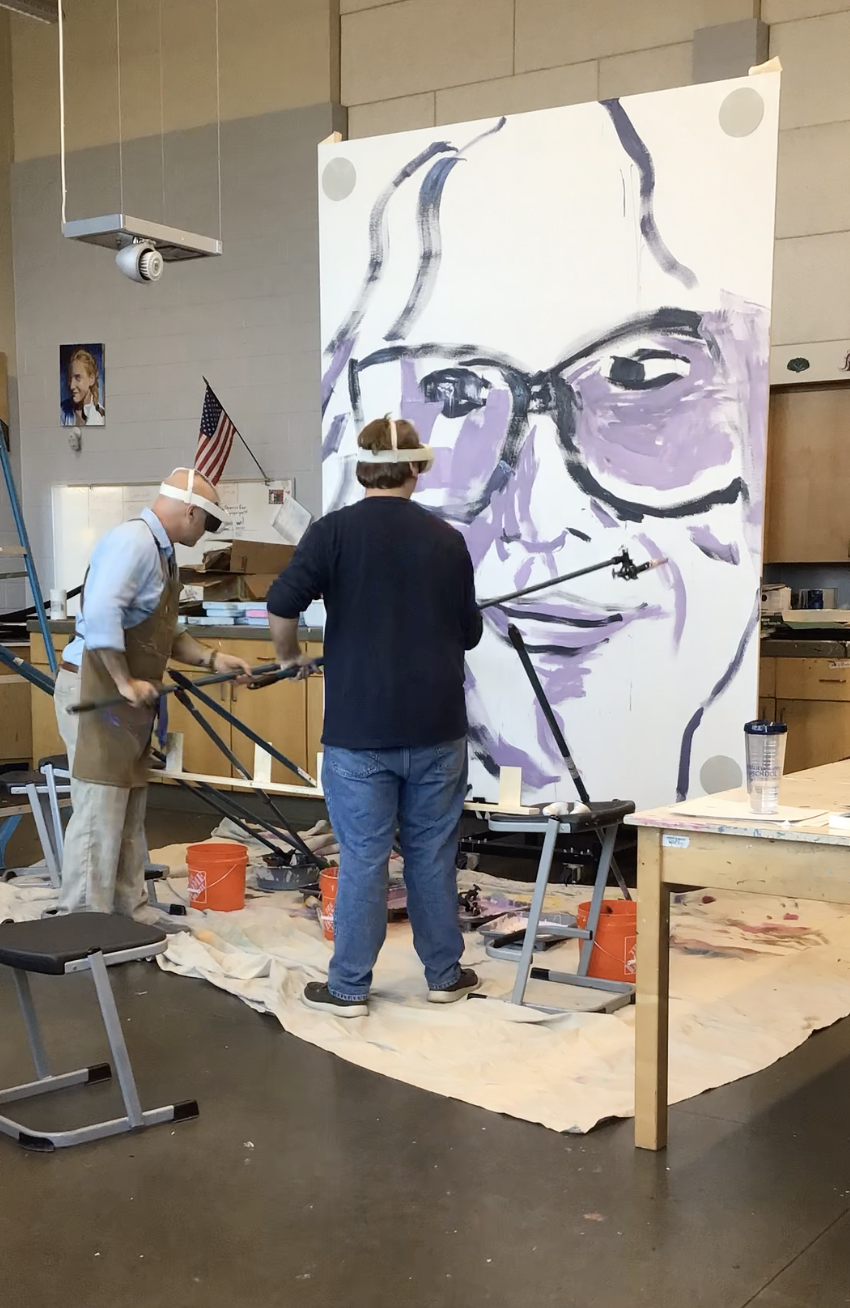
They tested it in class first. Then they took it further—bringing the experience to a public moment on stage during a Middle and High School Convocation. That’s a big signal: this wasn’t a side activity. It was worth showcasing as part of the school’s creative identity.
Why VR belongs in art education now
Let’s be direct: art education should prepare students for the world they’re entering, not the world we grew up in. That world includes immersive media, 3D workflows, and collaborative digital production.
VR helps students build:
1) Spatial thinking (a core creative skill)
Students don’t just “draw a thing.” They understand form, scale, distance, proportion, and composition in 3D. That’s foundational for murals, design, sculpture, animation, architecture, and digital art.
2) Faster skill development through guided practice
When students can practice with structure and immediate visual feedback, they repeat more. And repetition is how skill is built. VR doesn’t replace fundamentals—it accelerates them.
3) Confidence through experimentation
Students take more creative risks when the process feels approachable. VR lowers the fear of “ruining it,” which means students try more, iterate more, and learn more.
4) Collective creation as a real skill
Collaboration isn’t a soft skill. It’s a creative skill. Students learn how to coordinate, divide roles, align on a shared result, and build something bigger than one person could do alone.
The real shift: from individual assignments to shared creative experiences
Traditional art classes often default to solo work. VR changes that dynamic naturally. It makes it easier to:
- plan together
- build together
- critique together
- present together
That creates a different classroom energy: art becomes a shared culture, not just a personal task.
And when you bring that experience to a stage—like Charleston County School of the Arts did—you don’t just teach art. You demonstrate what modern creativity looks like: confident, collaborative, and tech-aware.
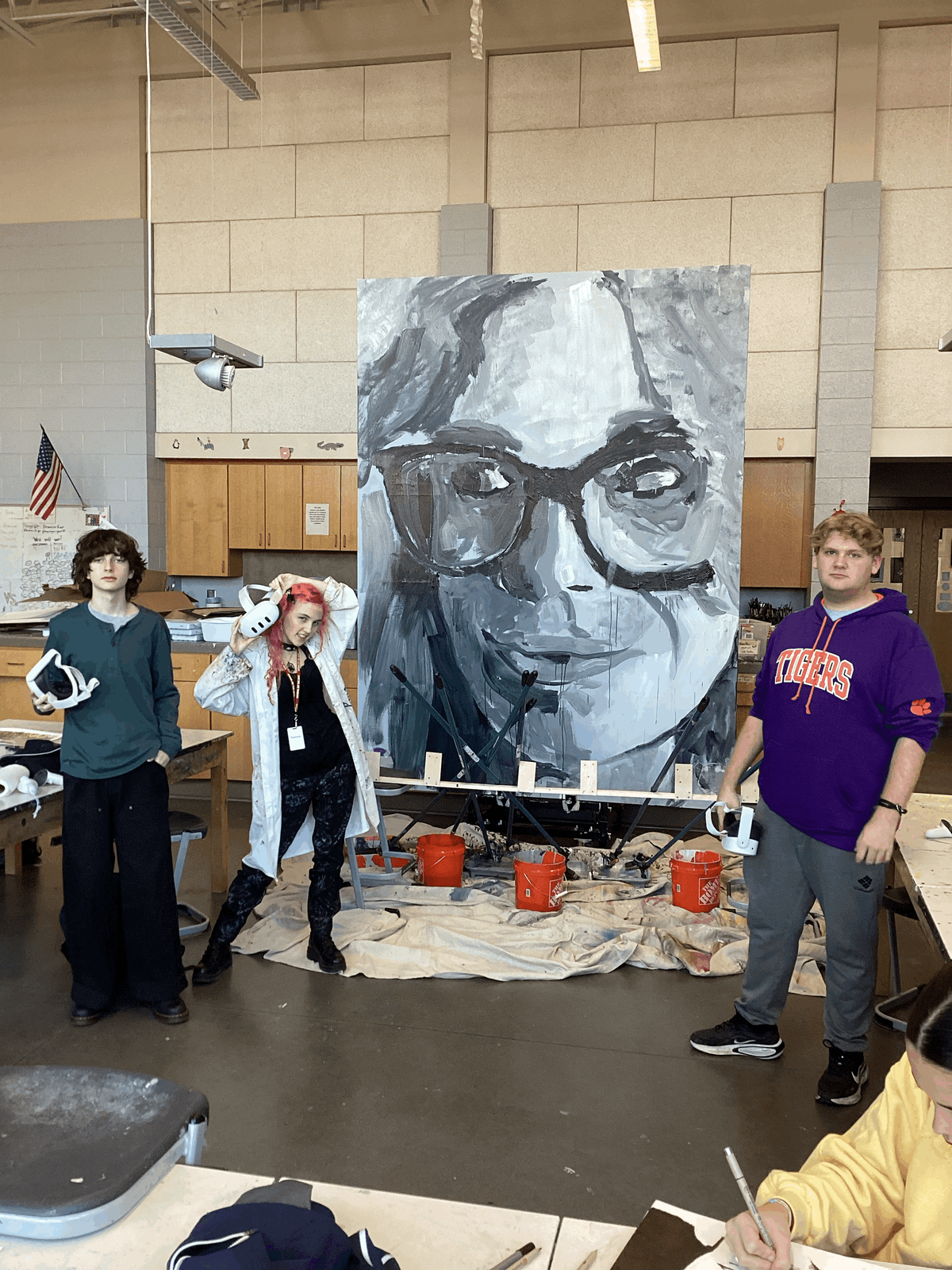
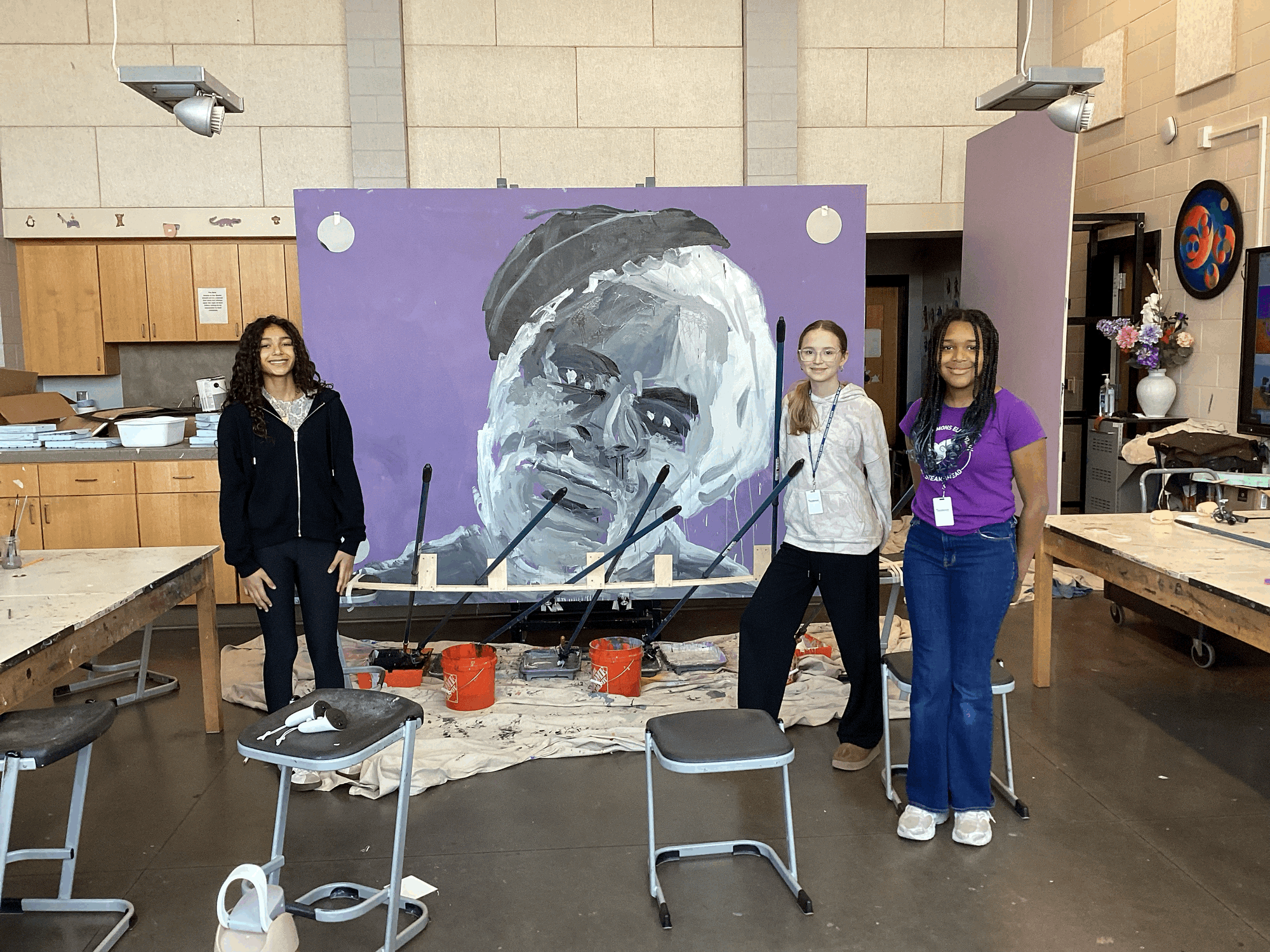
Sketchar made us realize what’s possible in art education: three students on stage, painting a huge mural together in minutes—like one unified mind—because they’re working from the same image in different headsets.” Dayton Colie, Visual Arts Teacher at CCSOA
This is what “future-ready” art education looks like
The question isn’t whether technology belongs in art education.
The question is whether we want students to graduate with:
- only traditional tools, or
- traditional tools plus the ability to create with the formats shaping modern creative industries.
VR is part of that future. Schools that adopt it early aren’t taking shortcuts. They’re expanding what students can do—and giving them a head start in creative confidence, collaboration, and technology literacy.
▋
Learn more about the Sketchar For Education